Key Takeaways: Best Health Tech Gifts for Seniors in 2026: Safe and Simple Devices
- The best devices for older adults are simple, comfortable and solve one clear need, not feature-packed gadgets.
- Prioritize easy setup, large displays, long battery life and clear privacy controls.
- Match the device to the person’s routine and involve them in the choice rather than imposing technology.
Health technology can genuinely support independence and peace of mind for older adults, but the best gift is rarely the most advanced one. Simplicity, comfort and a clear purpose matter far more than long feature lists. The aim is a device that helps without adding confusion or feeling like surveillance.
Start with the need, not the gadget
Before choosing, identify the actual need: staying connected, remembering medication, feeling safer at home, or keeping active. A device that solves one real problem will be used; one bought for its specifications often ends up in a drawer. Involving the recipient in the decision also makes adoption far more likely.
Categories worth considering
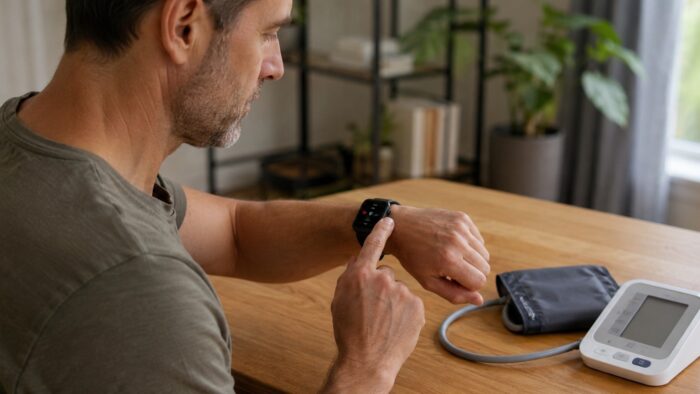
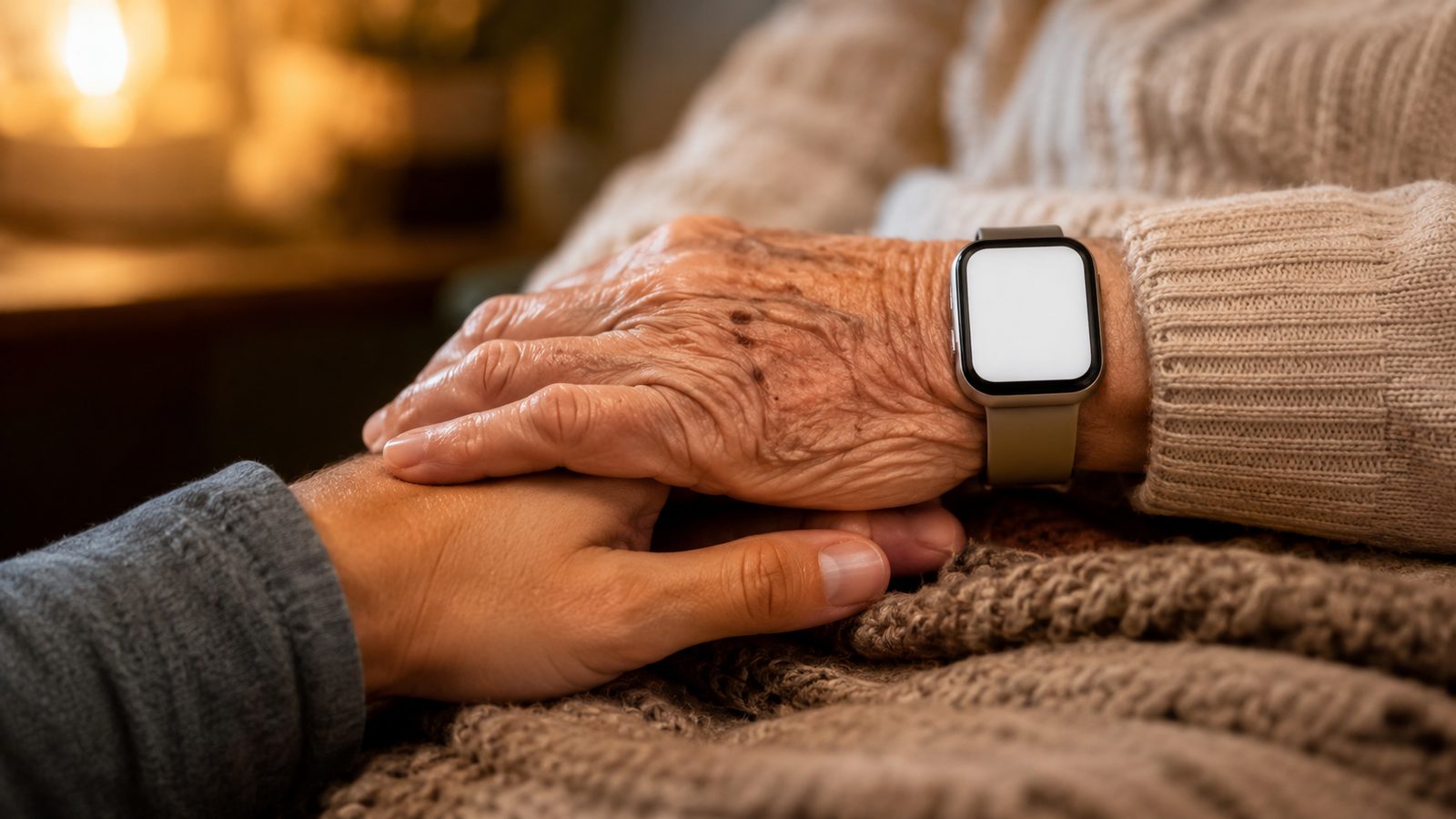
A smartwatch with fall detection can offer reassurance for someone living alone; our guide to how fall detection works and how to set it up is a good starting point. Simple smart speakers help with reminders and hands-free calls. Sunrise alarm clocks support gentler mornings, and easy-to-read smart scales or blood-pressure monitors can help track trends to share with a clinician. For those managing a long-term condition, our overview of remote monitoring for older adults explains how families can set this up thoughtfully.
Features that make devices senior-friendly
Look for large, high-contrast displays, straightforward setup, long battery life so charging is infrequent, comfortable fit, and water resistance for everyday use. Clear, adjustable privacy settings are essential, and so is a simple way for a family member to help manage the device without taking over the person’s autonomy.
Avoiding common gift mistakes
Steer clear of devices that demand constant charging, complex multi-step apps, or alerts that create anxiety. Avoid framing health gadgets as monitoring of the person; framing them as tools that support independence is both kinder and more likely to be embraced. Set the device up before gifting it so it works out of the box.
The two categories with the strongest case
Falls and hearing are the two areas where a device has a defensible claim on a gift list, because each has a measurable problem behind it rather than a marketing story.
On falls, the CDC’s falls pages and the National Institute on Aging’s guidance on falls and fractures in older adults set out the causes and what reduces them. Read them before buying, because the interventions with the strongest support are not electronic: lighting, clutter, footwear, medication review, and strength and balance work. A fall-detection watch is genuinely useful in the minutes after a fall, especially for someone living alone, but it is a response mechanism rather than prevention, and it is worth being honest with the recipient about which of those you are giving them.
Hearing is the one category where regulation recently moved in the buyer’s favour. In September 2024 the FDA authorised the first over-the-counter hearing aid software, the Hearing Aid Feature designed to work with AirPods Pro for adults with mild to moderate hearing loss. That means a mainstream consumer product can now legally do something that previously required a fitted device and a professional visit. The NIDCD’s hearing aid page is the sober companion to that news, covering what a hearing aid does and does not fix, and the WHO’s hearing loss topic page covers the scale of the problem.
There is one category to avoid outright. Do not buy anything that claims to measure blood glucose from the wrist without a skin prick. The FDA issued a specific safety communication in February 2024 telling people not to use smartwatches or smart rings making that claim, because no such device has been authorised and an inaccurate reading can lead to a medication error with serious consequences. The same scepticism is warranted for cuffless blood pressure claims, where the American Heart Association has said the devices are not yet validated for clinical use.
Frequently asked questions
What is the most useful health tech gift for a senior?
It depends on the individual’s needs. A simple device that addresses one clear concern, such as a fall-detection watch or a medication reminder, usually delivers the most value.
Are these devices hard for older adults to set up?
Some are. Choosing simple devices and completing the initial setup before gifting removes most of the friction and makes the device far more likely to be used.