The Best Fitness Trackers for 2026: A Buyer’s Guide
Six trackers we have lived with for the past year, ranked by who they actually serve — not by which has the longest feature list.
Every article we've published — newest first.
Six trackers we have lived with for the past year, ranked by who they actually serve — not by which has the longest feature list.
A 2024 meta-analysis of 33 trials found AI chatbots for depression reduced symptoms with small-to-moderate effect sizes. Here is what that actually means for users.
A two-week sensor costs around $100. The data is genuinely revealing. The behavior change is harder to sustain than the marketing suggests.
Polysomnography labels sleep stages with 90%+ accuracy. Consumer wearables hover at 50-70% on stage detection. The gap matters more than the marketing admits.
The FDA has cleared more than 700 AI-enabled medical devices. Almost none of them replace clinicians. The quieter reality is more interesting than the original hype.
Headspace has been the subject of more than 70 peer-reviewed studies. Several competing apps have been studied zero times. Pick based on research, not marketing.
BIA scales report body fat to one decimal place. The error margin against DEXA reference scans is typically 3-5 percentage points. Trends, not numbers.
Telehealth visits peaked at 32% of US clinical visits in April 2020. They have stabilized at roughly 6-8% — much higher than 2019, much lower than the peak.
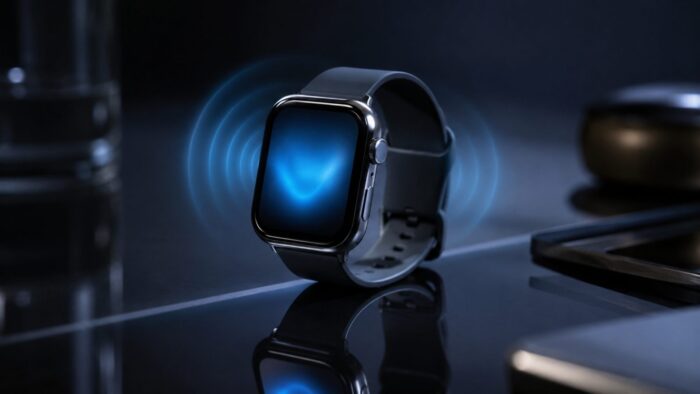
The Apple Heart Study confirmed AFib in roughly 84% of users who got clinical follow-up after a watch alert. That sounds great until you consider the base rate in younger users.
A video game has been FDA-cleared as a prescription treatment for pediatric ADHD. Its name is EndeavorRx. Most patients have never heard of it.