Oura Ring vs Whoop 4.0 for Weightlifting: Which Tracks Strain Better?
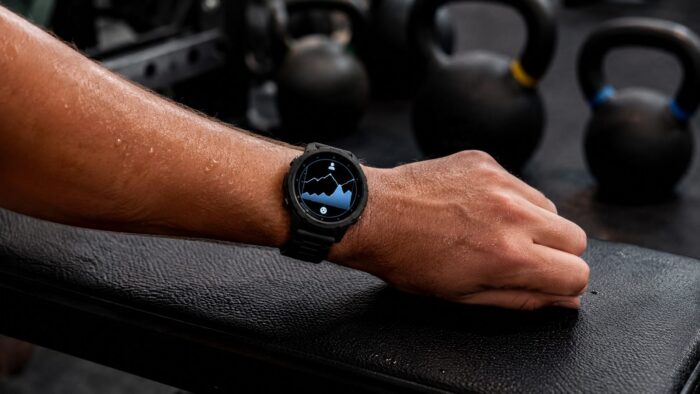
Weightlifting is notoriously hard for wrist-based optical sensors to track due to wrist flexion. The Whoop 4.0 offers a bicep band, which significantl...
Explore smartwatches, fitness trackers, smart rings, heart monitoring, activity data, battery life, privacy, and the limits of consumer health measurements. These guides help readers understand what a device can measure and what still needs clinical assessment.
Read the newest practical guides, tips, and explanations in this section.
Weightlifting is notoriously hard for wrist-based optical sensors to track due to wrist flexion. The Whoop 4.0 offers a bicep band, which significantl...
Concerns about EMF from Bluetooth wearables are common. However, regulatory bodies confirm that the non-ionizing radiation emitted by a smartwatch is ...
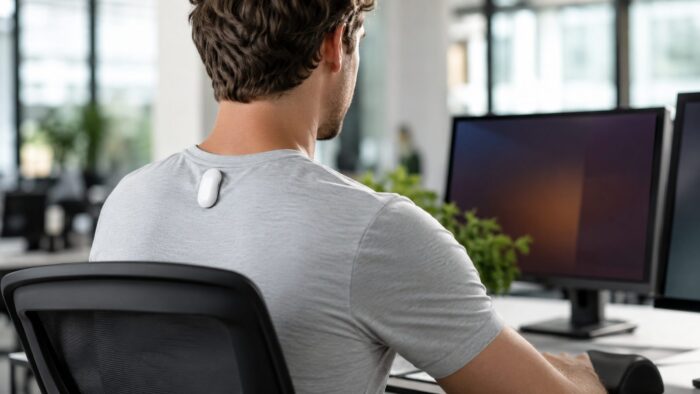
Devices like Upright Go attach to the back and vibrate when you slouch. This biofeedback loop builds postural awareness over time. Unlike rigid braces...
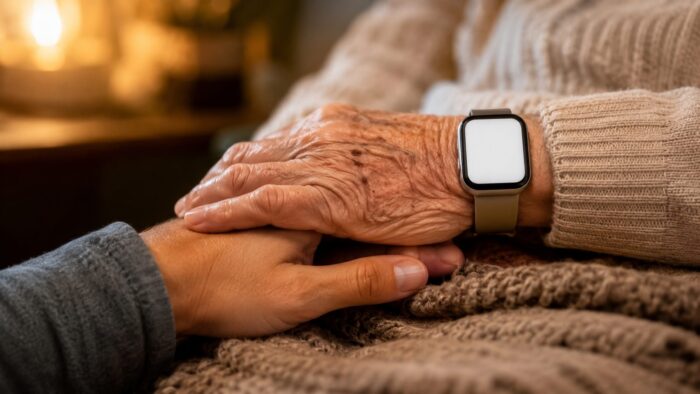
When choosing tech for older adults, simplicity and reliability are key. Consider cellular-enabled smartwatches with fall detection, simple remote pat...
While continuous glucose monitoring had its moment, endurance athletes are now looking towards continuous lactate monitoring. Still in early developme...
Garmin's Body Battery uses heart rate variability, stress, and activity to estimate energy reserves. Many users find it highly correlative with their ...
AI smart glasses are the fastest-growing wearable category of 2026. Here is what they can genuinely do for your health, what is still hype, and the privacy question you cannot ignore.
Everyday earbuds and even eyewear can now act as over-the-counter hearing aids. Here is what the new FDA-authorised features actually do, who they help, and where they fall short.
The phrases on a health gadget's box are not interchangeable, and one of the most common ones does not mean what most buyers think. A plain guide to reading wearable health claims.
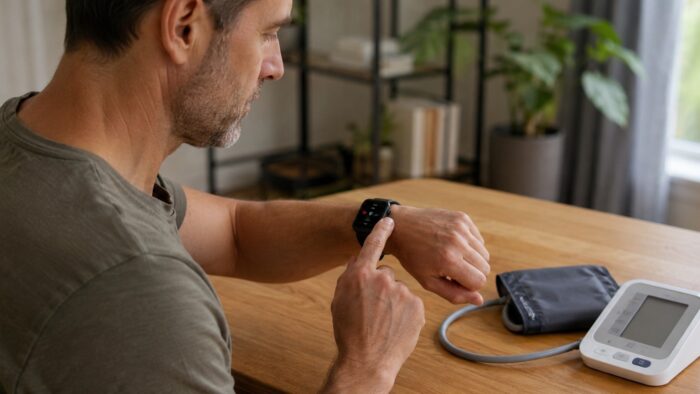
Cuffless blood pressure is the most hyped wearable feature of 2026 and the most contested. Here is what regulators, cardiologists and the actual evidence say before you trust the number.
Browse related health technology guides.
Evidence aware reviews of therapy apps, meditation tools, mood tracking, and digital support.
Useful advice on glucose monitors, food tracking, metabolic tools, and connected nutrition apps.
Clear guidance on sleep trackers, smart alarms, mattresses, and circadian tools.
Straightforward reviews of workout apps, coaching platforms, connected equipment, and training data.
Measured reporting on diagnostic AI, clinical software, decision support, and digital therapeutics.
Practical guidance on virtual care, remote monitoring, online prescriptions, and patient privacy.