Key Takeaways: Oura Ring vs Whoop for Weightlifting: Which Tracks Strain Better?
- Both devices estimate strain and recovery indirectly; neither directly measures the muscular load of lifting.
- Whoop is built around continuous exertion scoring, while Oura emphasizes recovery and sleep context.
- For lifting specifically, treat either device’s strain figure as a rough trend, not a precise training metric.
Strength athletes increasingly want recovery data, and both the Oura Ring and Whoop are popular choices. A fair comparison starts by acknowledging a shared limitation: both rely mainly on heart rate and heart-rate variability, which capture cardiovascular load well but only partially reflect the mechanical stress of resistance training. Heavy lifting can be very taxing yet produce a modest heart-rate response, so any strain score for weightlifting is an approximation.
How each device approaches strain and recovery
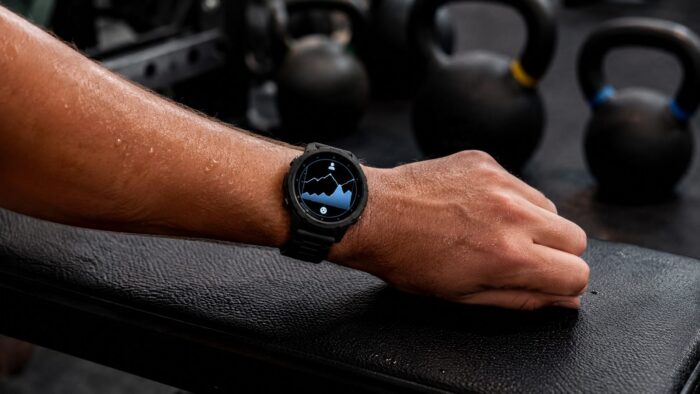
Whoop is designed around a continuous exertion or strain score that accumulates through the day, paired with a recovery percentage built from HRV, resting heart rate and sleep. Oura leans toward recovery, readiness and sleep, with activity and workout features layered on top. In practice, Whoop users tend to focus on the strain-versus-recovery balance, while Oura users focus on readiness trends. Our overview of reading readiness data applies to both.
Which tracks lifting strain better?
For barbell and dumbbell training, Whoop’s continuous strain model usually captures the cardiovascular cost of a session a little more granularly, especially for circuit-style or high-rep work that elevates heart rate. For lower-rep, heavy strength work with long rests, neither device fully represents the true training stress, because the load lives in the muscles and nervous system rather than the heart rate. In that scenario both should be read as loose trends.
Comfort, wear and practicality
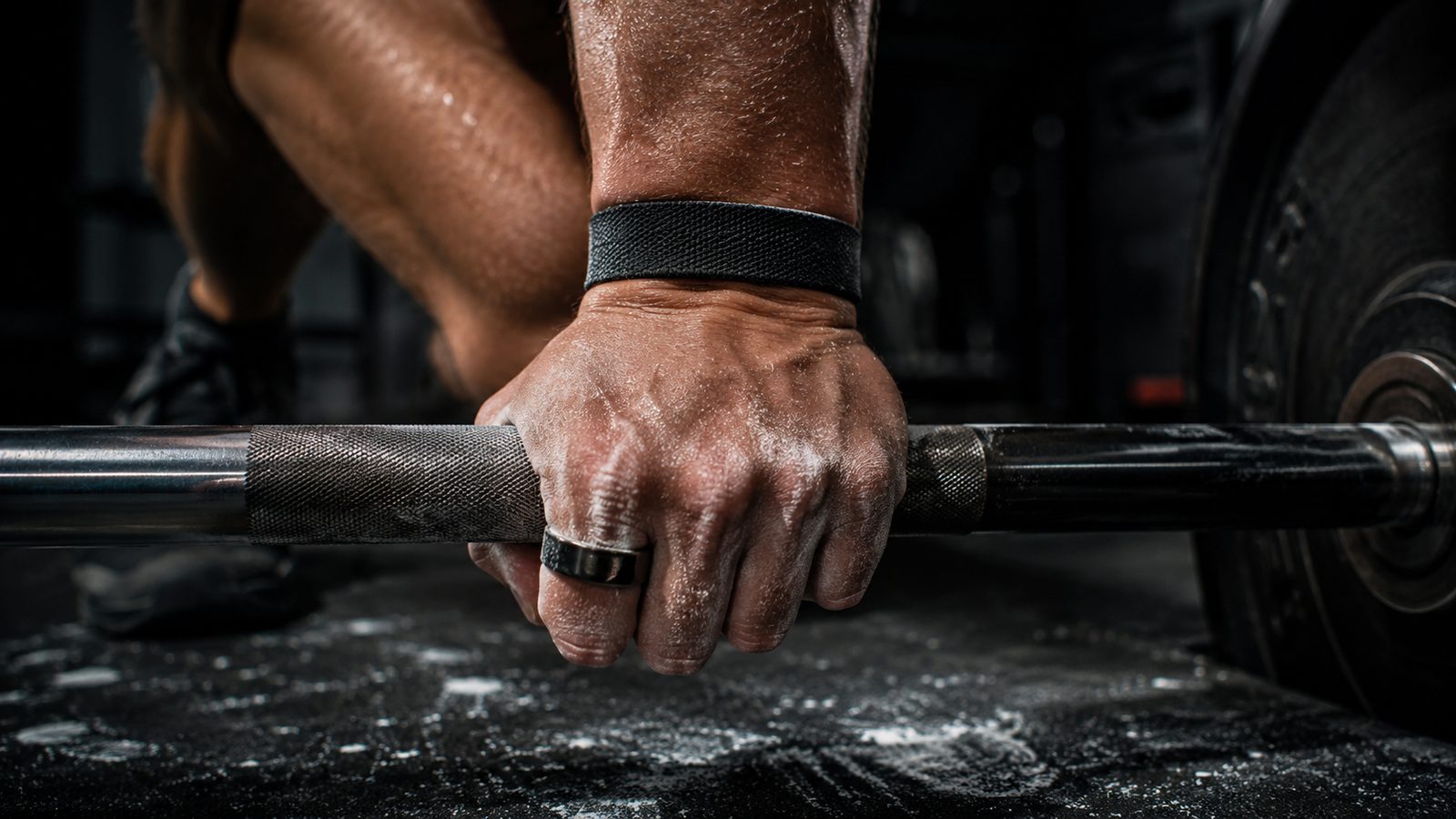
A ring can be awkward or unsafe under a loaded barbell, so some lifters move an Oura ring to a band or remove it during heavy sets, which creates gaps in data. Whoop’s wrist or upper-arm band avoids the grip issue but adds a subscription cost. Comfort and consistent wear ultimately decide which device gives you more usable data.
Choosing between them
Choose Whoop if you want exertion-versus-recovery framing and continuous tracking; choose Oura if sleep and readiness matter most and you prefer a ring form factor. For either, judge progress by long-term trends and how you feel, not by a single day’s strain number.
Why lifting is the hardest case for both devices
Both devices read heart rate and heart rate variability with photoplethysmography, which measures changes in blood volume by shining light into the skin and reading what comes back. Two things degrade that measurement: movement, and loss of steady skin contact. Resistance training does both at once. Gripping a bar tenses the forearm and changes local blood flow, and a ring or a wrist strap shifts position between reps.
A 2025 PLOS ONE validation study gives a sense of the scale. Error in wrist-based heart rate grew as exercise intensity rose, and the growth was not the same for everyone: at high intensity the error reached 16.5 beats per minute for dark skin tones against 3.5 bpm for light ones, while at rest the difference between groups was negligible. Lifting adds a further complication that study did not cover, because heavy isometric and non-steady-state work breaks the assumptions behind models built for steady aerobic effort.
The practical consequence is that a strain, load or readiness score calculated from a lifting session is an estimate resting on a shaky input. That does not make it useless, but it does mean you should not chase a number upward or take a low score as evidence that a good session was not a good session.
Both devices are on much firmer ground overnight. Sleep staging and resting heart rate variability are measured when the wearer is still and the sensor is seated, which is exactly the condition photoplethysmography handles best. If you are choosing between them for lifting, the honest framing is that you are choosing a recovery tracker that happens to also log workouts, not a workout measurement device.
One further point on sensor claims in general. The FDA has issued a safety communication telling people not to use smartwatches or smart rings that claim to measure blood glucose levels, because no such device has been authorised. Neither of these rings makes that claim, but the communication is a useful description of how the regulator treats a wrist or ring sensor asserting a measurement it cannot take directly.
Frequently asked questions
Do these devices measure how heavy I lifted?
No. They estimate physiological load mainly from heart rate and HRV. They do not know the weight on the bar or the muscular stress involved.
Which is better for recovery tracking overall?
Both are reasonable. The better choice depends on form factor preference, subscription tolerance and whether you prioritize sleep or exertion framing.