Key Takeaways: Smart Water Bottles That Track Hydration: Gimmick or Game Changer?
- Smart bottles mainly track how much you drink from that bottle and remind you to sip; they do not measure body hydration.
- The reminder habit is the real value for most people, not the sensor precision.
- A regular bottle and a phone reminder achieve much of the same effect at no cost.
Smart water bottles promise to take the guesswork out of staying hydrated, using sensors and an app to log intake and nudge you to drink. Whether they are worth it depends on understanding what they actually measure and what tends to change behavior.
What a smart bottle measures
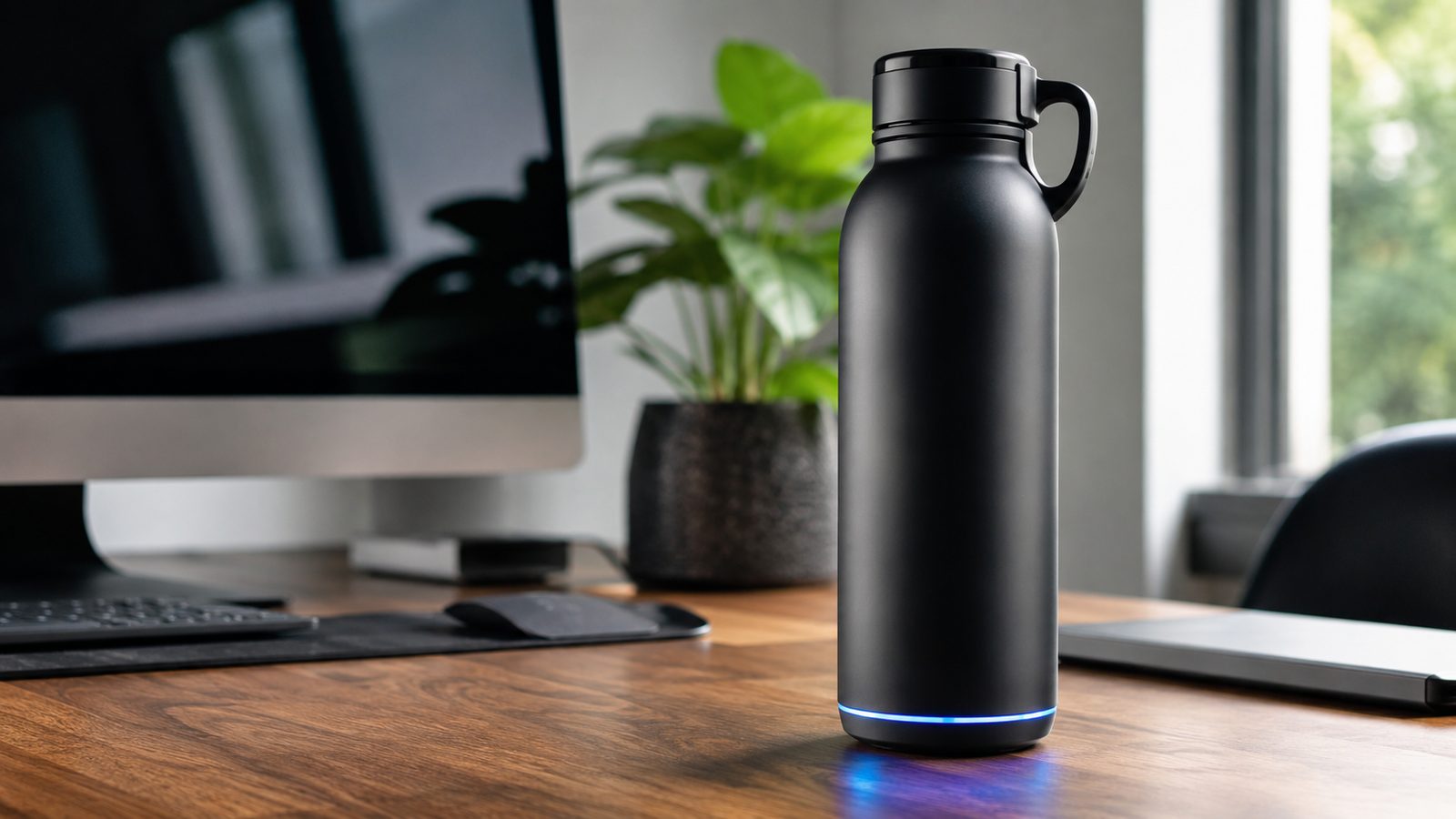
Most smart bottles estimate the volume of water removed from the bottle, then sync that to an app with a daily target and reminders. Some glow or buzz when it is time to drink. Importantly, they track consumption from that specific bottle, not hydration inside your body. Water from cups, food, coffee or other bottles usually is not counted unless you log it manually, which limits accuracy as a true intake measure.
Where they genuinely help
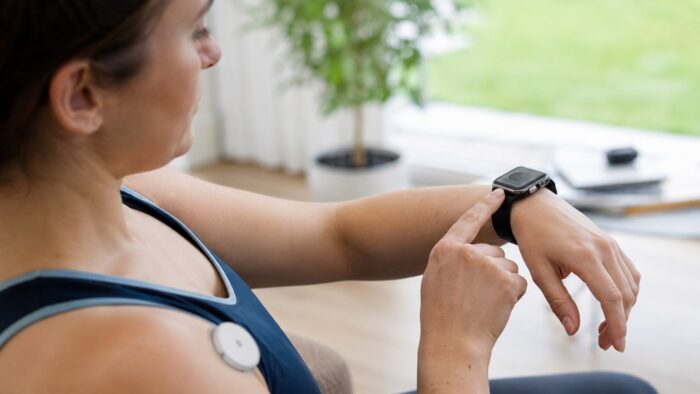
The strongest benefit is behavioral. People who routinely forget to drink often respond well to a visible target and gentle prompts, and a smart bottle can build a steadier sipping habit. This is the same principle behind useful wearables in general: as our guide to choosing a tracker that fits your routine notes, the device that quietly changes a daily habit is usually more valuable than the one with the most sensors.
Where they fall short
Hydration needs vary with body size, activity, climate and health conditions, so a generic daily target can be misleading. The sensors can also be thrown off by ice, other liquids or refills that are not registered correctly. For most healthy adults, thirst plus the color of urine remains a practical guide, and a smart bottle adds convenience rather than precision.
Gimmick or game changer?
For someone who genuinely struggles to drink enough and likes data-driven nudges, a smart bottle can be a helpful habit tool. For everyone else, a normal bottle kept within sight and a simple phone reminder deliver most of the benefit. It is less a breakthrough than a convenient prompt.
Where the daily target comes from, and why it is not a number
The figure a smart bottle counts down from is a modelled default, not a clinical requirement. The CDC does not publish a single daily water target at all. Its guidance says intake needs vary by age, sex, pregnancy and breastfeeding status and activity level, and that a meaningful share of daily fluid comes from food, particularly fruit and vegetables with high water content.
That last point is the one a bottle structurally cannot handle. It measures what left the bottle. It has no idea that you had soup, three coffees, a bowl of watermelon or a litre from the office tap, and it cannot subtract the fluid you lost to a hot afternoon or a hard session. A target hit on the app is not the same as a target hit by your body, in either direction.
There is also a gap between what people assume the device measures and what it measures. Hydration status is a property of the body, assessed with things like urine concentration, body weight change across a session or plasma osmolality. No consumer bottle measures any of those. The bottle measures volume dispensed and infers the rest.
None of this is hidden or fraudulent, and it explains the regulatory position: a hydration reminder is a general wellness feature, so nobody has reviewed the target against a clinical standard, because it does not need to be reviewed. The FDA’s digital health work draws that line between wellness features and software with a medical function.
Which leaves a narrower but real use case. If your actual problem is forgetting to drink rather than not knowing how much to drink, then a prompt is a reasonable intervention and the accuracy of the target barely matters. If you are trying to manage fluid intake for a medical reason, the bottle is the wrong instrument and the number on it should not be the thing you rely on.
Frequently asked questions
Do smart bottles measure my body’s hydration level?
No. They estimate how much you drink from the bottle. They do not measure hydration status inside the body, which would require clinical assessment.
Is the daily target accurate for everyone?
Not necessarily. Needs vary with activity, climate, body size and health, so treat any default target as a rough guide rather than a precise requirement.