
Online Therapy Platforms: Questions to Ask Before Booking
Review online therapy platforms by therapist credentials, licensing, matching, fees, communication, continuity and crisis support.
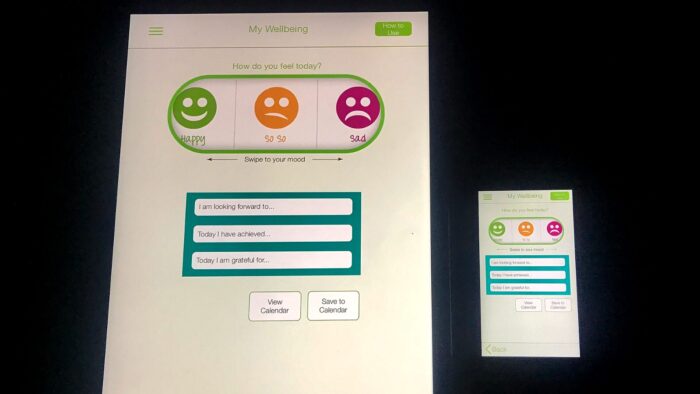
Find balanced coverage of therapy apps, meditation platforms, mood tracking, digital therapeutics, privacy, clinical evidence, and access to care. The guidance explains where technology may help and when support from a qualified professional remains important.
Read the newest practical guides, tips, and explanations in this section.
Review online therapy platforms by therapist credentials, licensing, matching, fees, communication, continuity and crisis support.
Evaluate a mental health app by its clinical purpose, crisis pathway, data practices, subscription design and ability to acknowledge uncertainty.
Your watch infers stress from heart rate variability, and it cannot tell excitement from anxiety or coffee from cortisol. What the score is good for and where it misleads.
Compare meditation apps by method, evidence, privacy, habit design and suitability instead of relying on streaks or broad wellness claims.
Use digital journaling apps with clear goals, strong privacy and less dependence on automatic mood scores, streaks and engagement prompts.
Review AI mental health apps by evidence, crisis limits, privacy, human support and the difference between a reflective tool and qualified care.
Browse related health technology guides.
Practical guidance on smartwatches, fitness trackers, smart rings, and health sensors.
Useful advice on glucose monitors, food tracking, metabolic tools, and connected nutrition apps.
Clear guidance on sleep trackers, smart alarms, mattresses, and circadian tools.
Straightforward reviews of workout apps, coaching platforms, connected equipment, and training data.
Measured reporting on diagnostic AI, clinical software, decision support, and digital therapeutics.
Practical guidance on virtual care, remote monitoring, online prescriptions, and patient privacy.