Key Takeaways: Fitness Trackers in 2026: How to Choose One That Fits Your Routine
- Start with the habit you want to change.
- Research and regulatory guidance point to a simple rule: consumer wearables can be excellent behavior tools, but most are not full medical devices.
- Before comparing brands, write down what you would genuinely use for one ordinary week.
Table of Contents
- Start with the habit you want to change
- Accuracy depends on the metric
- Run a seven-day reality check before buying
- The fit between device and personality
- A short buying test before you spend
- How to use the data without chasing every number
- Features that often sound better than they work
- Location and health data deserve separate checks
- Two questions readers often ask
- Try the device against an ordinary week
- The tracker should earn its place
- How accurate are the numbers
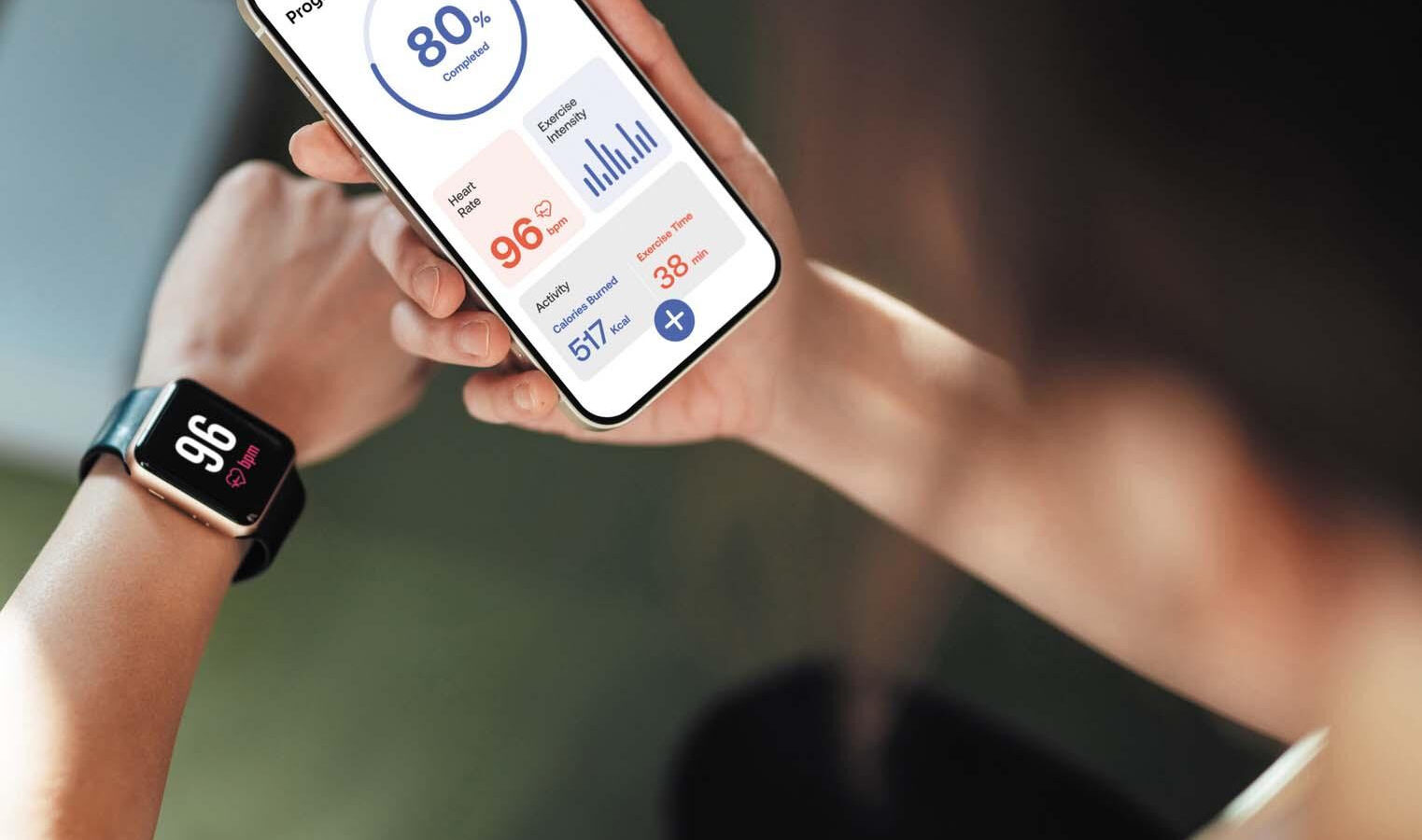
A good fitness tracker should make healthy habits easier, not turn your wrist into a dashboard you stop checking after two weeks. The biggest mistake buyers make in 2026 is choosing the device with the longest feature list instead of the device that fits their routine. A runner needs dependable GPS and training load. A person trying to walk more needs comfort, reminders and battery life. Someone monitoring heart rhythm needs a device with a cleared ECG feature and a clear plan for what to do after an alert.
The most useful tracker is the one that turns a measurement into a realistic decision. Step trends may encourage a lunchtime walk, dependable GPS may help a runner pace training, and a cleared heart-rhythm feature may provide information worth discussing with a clinician. The value is not the number of sensors on the box; it is whether the device fits the wearer, the routine and the action that follows.
Start with the habit you want to change
The category has matured. Basic step counting is now the least interesting part of the product. The real competition is around heart rhythm alerts, sleep trend interpretation, recovery scoring, blood oxygen context, menstrual tracking, training recommendations and app ecosystems. That sounds exciting, but it also creates confusion. Many measurements are useful for trends, while only a smaller group should be treated as health signals that deserve clinical follow-up.
Accuracy depends on the metric
Research and regulatory guidance point to a simple rule: consumer wearables can be excellent behavior tools, but most are not full medical devices. ECG features, irregular rhythm notifications and some health alerts may have regulatory clearance in selected markets, but calorie burn, readiness scores and sleep staging are still estimates. The best way to use a tracker is to watch the direction of the data over several weeks rather than react to one unusual reading.
Run a seven-day reality check before buying
Before comparing brands, write down what you would genuinely use for one ordinary week. A commuter who walks at lunch has different needs from a marathon runner, a shift worker or someone who wants discreet heart rhythm alerts. This small exercise quickly separates useful functions from features that look impressive in a product launch.
Try the same test with charging. Decide where the device will charge, how often you are willing to remove it and whether overnight wear matters. A tracker with excellent sleep analytics is a poor match if it spends every night on a charger. Comfort, strap irritation, screen brightness and app clarity also influence whether the data remains useful after the first month.
- Choose one primary goal and no more than two supporting metrics.
- Check whether key health features are available in your country.
- Read the subscription terms before comparing purchase prices.
- Look for export options if you may want to share trends with a clinician.
The fit between device and personality
A feature can be technically excellent and still be useless for the person wearing it. Some people enjoy detailed training screens; others stop opening an app when it asks for too much attention. Think about whether you respond well to reminders, scores and streaks. A quieter interface may support consistency better than a dashboard full of warnings.
Also consider the people around the user. A family member may need fall or emergency features, while an athlete may care more about data export and sensor pairing. The right choice depends on the decisions the information is meant to support.
A short buying test before you spend
- Comfort matters more than most spec sheets admit. A tracker you remove at night cannot give useful sleep trends.
- Battery life should match your personality. Daily charging is fine for smartwatch users, but not for people who forget cables when traveling.
- GPS accuracy matters for outdoor running and cycling. It matters far less for indoor walking or strength training.
- Health alerts should be understandable. A good app explains what the alert means, what it does not mean and when to seek care.
- Privacy settings deserve the same attention as price. Fitness data can reveal location routines, sleep patterns and health concerns.
How to use the data without chasing every number
For most people, the best choice is the simplest tracker that they will wear every day. Apple Watch and Pixel Watch make sense for smartwatch users who want apps, calling and health features in one device. Garmin is better for endurance training and battery life. Oura and other rings are appealing for sleep and recovery, especially for people who dislike sleeping with a watch. Whoop remains strong for coaching and strain tracking, but the subscription model should be considered part of the price.
Features that often sound better than they work
- Buying for a single headline feature before checking whether it works in your country.
- Treating calorie estimates as exact numbers.
- Ignoring subscription costs that pay for recovery, coaching or long-term trend reports.
- Comparing sleep stage percentages from two brands as if they use the same algorithm.
- Sharing screenshots of health data publicly without considering privacy.
Location and health data deserve separate checks
For fitness trackers 2026, check whether activity tracking or heart rate trends is used for advertising, research or product training. Review retention, deletion and connected-account settings before building a long-term record.
Two questions readers often ask
Can a tracker identify patterns in a health condition?
A consumer tracker may flag an unusual pattern, but a diagnosis requires appropriate clinical assessment.
Should two brands show the same sleep or calorie numbers?
No. Algorithms, sensors and definitions differ, so comparisons are most useful within the same device over time.
Try the device against an ordinary week
A specification sheet cannot show whether a tracker survives the user’s real schedule. Before committing, picture seven ordinary days: commuting, exercise, showers, sleep, charging, work notifications and a weekend away from the usual cable. A device that needs perfect routines may lose more data than a simpler model with better comfort and battery life.
Return policies and sizing tools matter because fit affects optical heart-rate signals and comfort. For a child, older adult or person with limited dexterity, also test clasp design, text size, vibration strength and whether emergency features can be triggered accidentally.
The tracker should earn its place
A fitness tracker earns its place when it makes a useful habit easier to see and repeat. Buy for the routine you already have or the routine you can realistically build, not for the longest specification sheet.
How accurate are the numbers you are comparing
Before comparing feature lists it is worth knowing which readings on any of these devices are solid and which are estimates. Steps and sleep timing are the most reliable. Heart rate is good at rest and degrades with movement: a 2025 PLOS ONE validation study found wrist error grew with exercise intensity, reaching 16.5 beats per minute at high intensity for dark skin tones against 3.5 bpm for light ones, while at rest the groups barely differed. Calorie burn is modelled rather than measured, and body composition on a tracker is a further estimate on top of that.
The measurements to treat with real caution are the ones borrowing medical vocabulary. Blood oxygen on a wrist is an optical estimate, and the FDA has documented the limitations of pulse oximetry and proposed updated recommendations after evidence that accuracy varied across skin tones. Cuffless blood pressure is the clearest case: the American Heart Association’s 2025 statement found many wearables have not been proven accurate for real-world use and advised against using them for diagnosis or treatment decisions.
Which points to a sensible way to choose. Pick on the things trackers do well and that you will actually use daily, which is usually battery life, comfort, sleep consistency and a step and activity record you trust enough to act on. Treat the medical-sounding features as bonuses rather than reasons to pay more, and do not buy a tracker to manage a diagnosed condition without asking a clinician what instrument they want you to use.
Sources and further reading
- PLOS ONE (2025): validity of heart rate measurements in wrist-based monitors across skin tones during exercise
- FDA: pulse oximeter basics and limitations
- FDA: proposed recommendations to improve pulse oximeter performance across skin tones
- American Heart Association: cuffless blood pressure wearables show promise but are not yet validated