Key Takeaways: Continuous Glucose Monitors Without Diabetes: What the Data Can Tell You
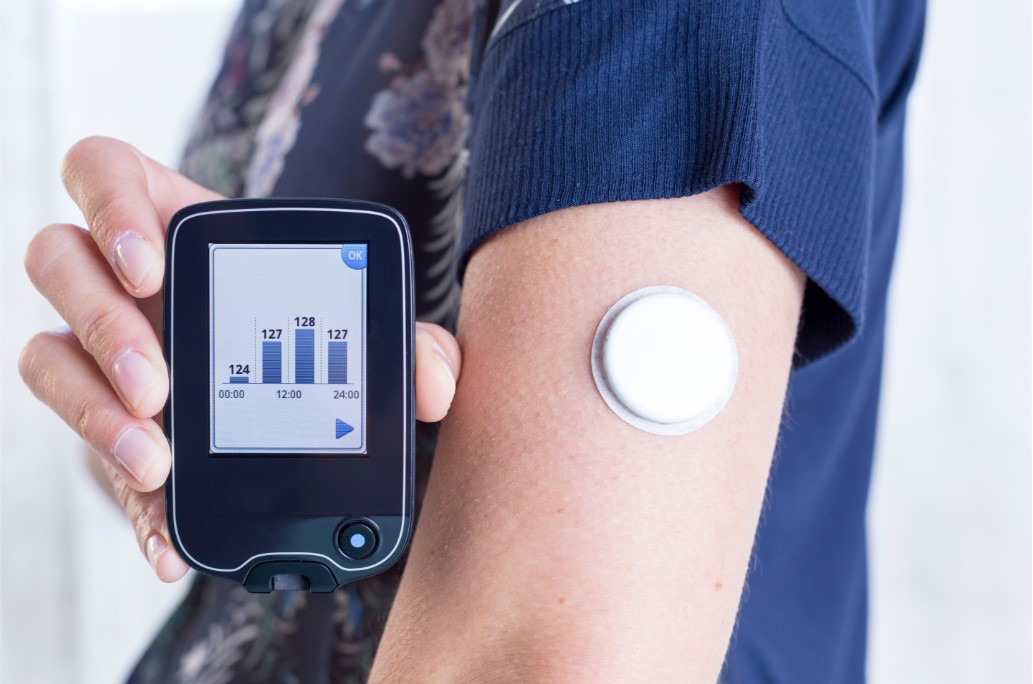
- CGMs measure glucose in interstitial fluid, not directly in the blood, and readings can lag behind blood glucose by several minutes.
- Glucose changes after food, stress, poor sleep and exercise.
- The FDA cleared the first over-the-counter CGM for adults who do not use insulin in 2024, which made the category more visible to general consumers.
Table of Contents
- A sensor reading is not the same as a diagnosis
- Ordinary glucose variation is not a moral score
- Why curiosity about glucose has grown
- Patterns that can be misleading
- Plan the experiment before applying the sensor
- Use the result to ask better questions
- What makes a short experiment worthwhile
- Health data and food behavior need careful boundaries
- A personal experiment needs a written question
- Use the pattern, not the drama
- What the regulator actually cleared
Continuous glucose monitors are no longer used only by people managing diabetes. Athletes, biohackers and wellness consumers now wear them to see how meals, sleep, stress and exercise affect glucose patterns. The data can be fascinating. It can also be easy to over-interpret. A glucose spike after rice, fruit or bread does not automatically mean poor health, and a flat curve does not prove a diet is ideal.
Keep the role of the technology in perspective. Information about continuous glucose monitor without diabetes can support better questions, but urgent symptoms and management decisions require suitable professional care.
Continuous glucose monitor without diabetes sits between consumer technology and health decision-making. That makes CGM trends, glucose response and clear follow-up more important than novelty.
A sensor reading is not the same as a diagnosis
CGMs measure glucose in interstitial fluid, not directly in the blood, and readings can lag behind blood glucose by several minutes. They are useful for showing patterns around meals and activity. The evidence for improving long-term outcomes in people without diabetes is still limited. A person with symptoms, risk factors or abnormal lab results should use CGM data alongside standard tests such as fasting glucose, A1C and clinician guidance.
Ordinary glucose variation is not a moral score
Glucose changes after food, stress, poor sleep and exercise. A flatter line is not automatically healthier in every situation, and a rise after eating is not proof that a food is harmful. The question is whether the pattern is expected, repeated and relevant to the person’s health.
People with a history of disordered eating should be especially cautious. Constant feedback can turn meals into tests and encourage unnecessary restriction. In that situation, the cost of monitoring may be psychological rather than financial.
Why curiosity about glucose has grown
The FDA cleared the first over-the-counter CGM for adults who do not use insulin in 2024, which made the category more visible to general consumers. That does not mean every healthy person needs a sensor. CGMs were developed for diabetes management, where trend arrows and alarms can support important management decisions. In people without diabetes, the value is usually educational rather than medical.
Patterns that can be misleading
- Cutting healthy foods because of one high reading.
- Ignoring symptoms because the graph looks normal.
- Comparing your curve with influencers who have different metabolism, meals and exercise habits.
- Using a CGM while taking medications without professional input.
- Sharing glucose screenshots with apps or communities without reading data policies.
Plan the experiment before applying the sensor
A CGM can produce hundreds of readings, which makes random observation tempting. A better approach is to choose two or three questions in advance. You might compare similar breakfasts, notice how a walk after dinner affects the curve or see whether poor sleep coincides with a different pattern. Keep the rest of the routine reasonably stable so the result is interpretable.
Remember that CGMs measure glucose in interstitial fluid rather than directly in blood, and there can be a delay when levels are changing quickly. Compression during sleep, sensor placement and hydration can also affect the trace. A single spike or low-looking value should not become a self-diagnosis.
- Record meals and activity in simple language rather than chasing perfect calorie counts.
- Repeat an observation before deciding it is a pattern.
- Discuss persistent unusual readings or symptoms with a clinician.
- Stop if the data is increasing food anxiety or restrictive behavior.
Use the result to ask better questions
The best use case for non-diabetics is a two to four week experiment with a clear question: which breakfasts keep energy stable, how late meals affect sleep, or how exercise changes post-meal glucose. After that, most people can apply the lesson without continuous tracking. People with diagnosed diabetes, prediabetes or medication concerns need personalized informational context rather than general wellness interpretation.
What makes a short experiment worthwhile
- Use it for a short learning period instead of wearing one indefinitely without a goal.
- Compare meals under similar conditions. Sleep, stress, illness and exercise can change the response.
- Do not manage one spike as a diagnosis.
- Look at time in range and repeated patterns, not single readings.
- Avoid non-invasive watch or ring glucose claims unless they are cleared by a regulator and clearly explain how measurement works.
Health data and food behavior need careful boundaries
Use the minimum permissions needed for continuous glucose monitor without diabetes. Review access to CGM trends, glucose response, family sharing and cloud backups, then remove any connection that no longer supports a clear purpose.
A personal experiment needs a written question
Wearing a CGM without a defined question can produce a stream of peaks and dips that are easy to overinterpret. A more useful experiment might ask whether breakfast timing affects a mid-morning energy slump or whether a repeated meal produces similar patterns on several days. Sleep, stress, exercise and sensor lag should be recorded alongside the food.
The result should lead to a modest, testable change rather than a restrictive rule. A single response does not prove intolerance, metabolic disease or the long-term health value of eliminating a food.
Use the pattern, not the drama
For a person without diabetes, a CGM is most useful as a limited learning tool rather than a permanent scorecard. The data should support sensible questions about meals, movement and sleep, not create fear around ordinary variation.
What the regulator actually cleared
The regulatory position matters more here than in most wearable categories, because it defines who these sensors were tested on. In March 2024 the FDA cleared the first over-the-counter continuous glucose monitor, and the intended population is specific: anyone 18 or older who does not use insulin. That includes people managing type 2 diabetes with oral medication and people without diabetes who want to see how food and activity move their glucose.
The exclusion in that clearance is the part worth reading twice. The FDA states the system is not for individuals with problematic hypoglycaemia, because it is not designed to alert the user to that potentially dangerous condition. Anyone on insulin therapy is outside the intended use regardless of anything else. If either applies to you, an over-the-counter sensor is the wrong product and a prescription system managed with a clinician is the right one.
For a non-diabetic user the practical consequence is that you are looking at a device validated for pattern-watching rather than for decisions. It will show you that a particular breakfast produces a larger rise than another, which is genuinely interesting. It will not tell you whether a spike is clinically meaningful, and the reference ranges circulating in the wellness market are not the ranges clinicians use to diagnose anything.