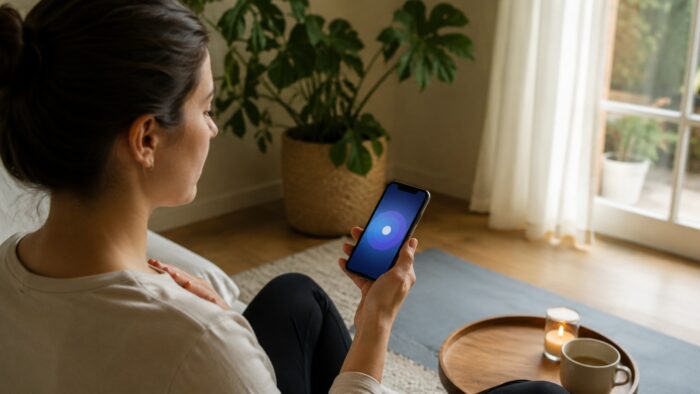
Breathing Apps for Stress: How to Use Paced Breathing Safely
Use paced-breathing apps with realistic goals, comfortable timing and clear limits around dizziness, panic, breathing symptoms and urgent care.

Read independent health technology articles from this author, including wearables, medical AI, digital wellness, sleep technology, fitness apps, and telehealth.
Use paced-breathing apps with realistic goals, comfortable timing and clear limits around dizziness, panic, breathing symptoms and urgent care.

Understand the structure of CBT-I apps, how they differ from general sleep trackers and when insomnia or other symptoms need clinical assessment.
Learn why allergy scanner apps can help organize label checks but cannot detect cross-contact, recipe changes or every risk in packaged and prepared food.
Understand how ambient clinical AI drafts visit notes, what consent and privacy questions to ask and why clinicians still need to verify the record.
Learn how smartwatch fall detection uses motion sensors, why false alerts and missed falls happen and what to test before relying on it.
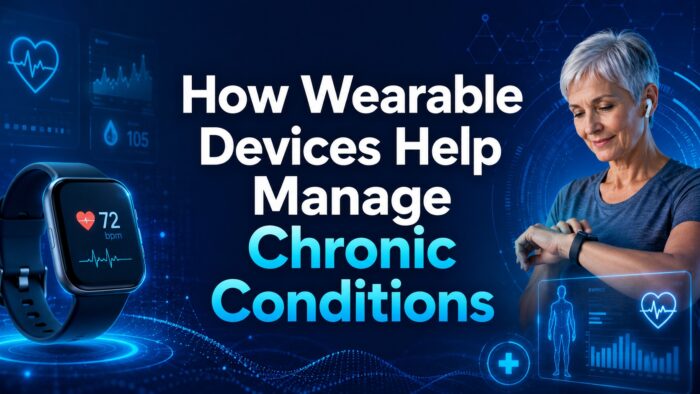
Use wearable trends in chronic-condition management with a defined purpose, a care-team plan and clear limits around alerts and treatment decisions.
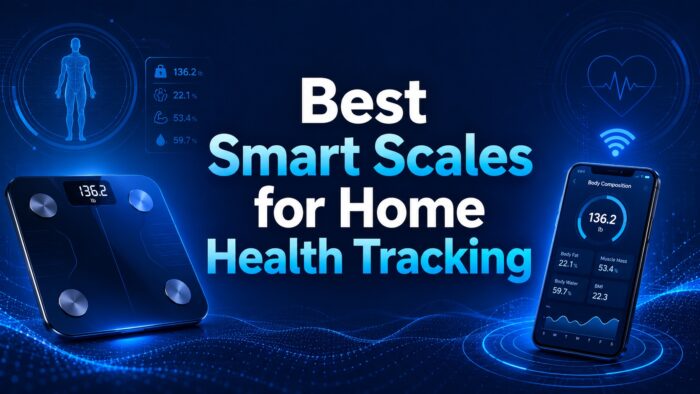
Compare connected scales by measurement method, app quality, family use, privacy and whether the extra estimates support a real household goal.
See how AI may support prevention through risk detection while recognizing that predictions need effective follow-up, fair performance and human judgement.
Choose AI nutrition tools that reduce planning effort without turning uncertain databases and automated estimates into personalized medical advice.
Review women’s health wearables for useful cycle and symptom features while protecting sensitive reproductive data and avoiding overconfident predictions.