Recovery Scores on Watches and Rings: How to Read Readiness Data
Learn how wearables combine HRV, resting heart rate, sleep and activity into recovery scores and why personal trends matter more than one number.
Ankita Roy writes most of the reference guides on HealthyTechWorld, with a focus on wearables, telehealth services and sleep tracking. Her articles work through what a device or platform actually measures, what its regulatory status covers, and where the published evidence stops short of the marketing. She is not a clinician and does not give medical advice.
Learn how wearables combine HRV, resting heart rate, sleep and activity into recovery scores and why personal trends matter more than one number.
Use macro tracking for a defined goal while accounting for database errors, portion estimates, changing needs and the risk of unnecessary restriction.
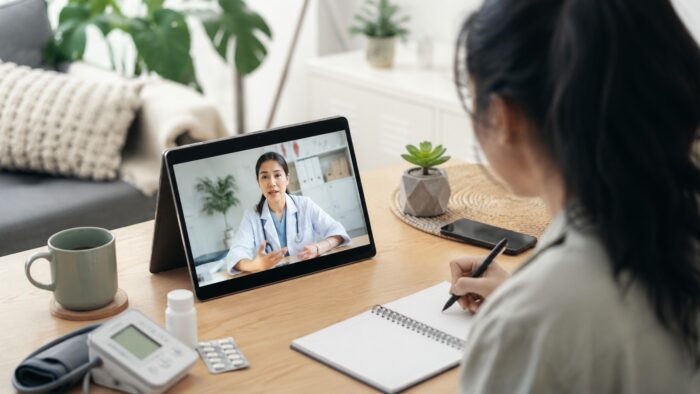
Compare virtual primary care by continuity, clinician licensing, tests, referrals, prescriptions, records, fees and access to in-person follow-up.
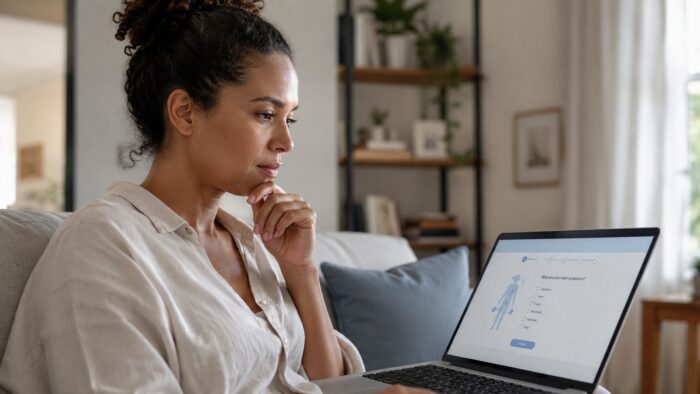
Use AI symptom checkers more safely by understanding triage limits, red flags, privacy and why an automated result is not a diagnosis.
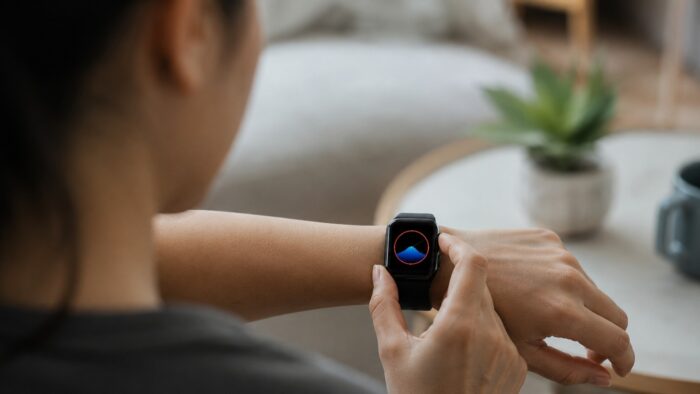
Understand how smartwatches estimate blood oxygen, what can distort a reading and why symptoms matter more than one consumer SpO2 number.
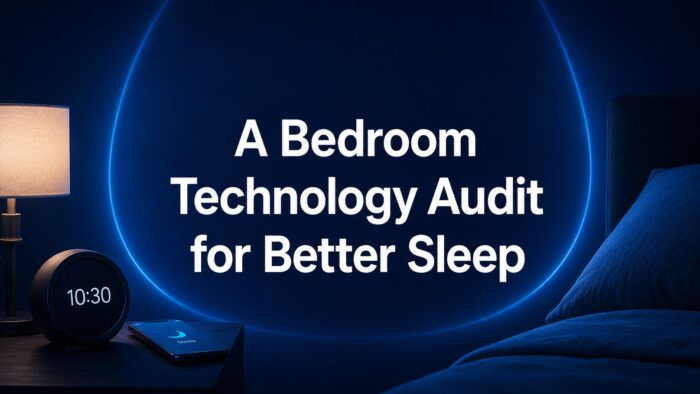
Audit bedroom technology by removing real interruptions, simplifying nighttime controls and buying new devices only for a remaining problem.
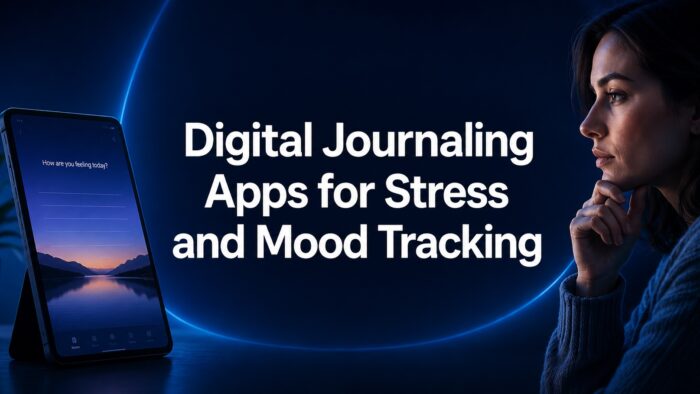
Use digital journaling apps with clear goals, strong privacy and less dependence on automatic mood scores, streaks and engagement prompts.
Decide whether a smart kitchen scale improves recipes or food logging enough to justify the setup, database errors and added precision.
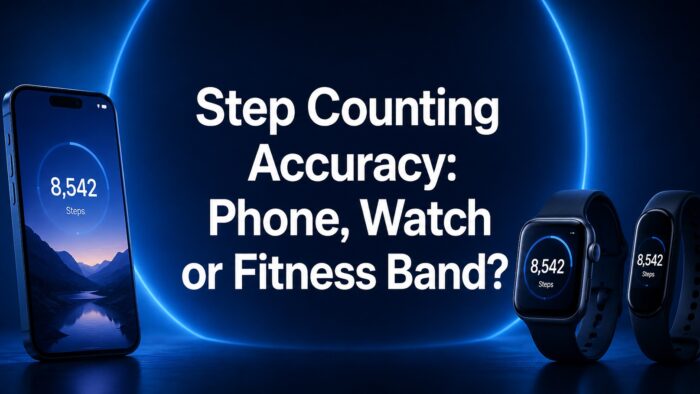
Compare step counts from phones, watches and bands, recognize common errors and use a personal trend instead of chasing one universal target.
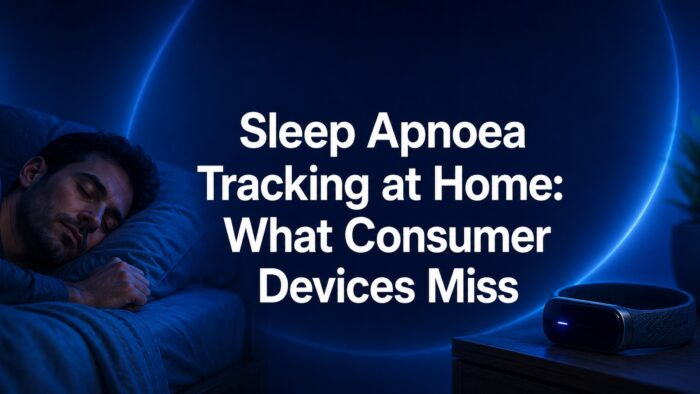
Understand what consumer sleep devices may notice about breathing and why persistent sleep-apnea symptoms need clinical testing.