Key Takeaways: Recovery Scores on Watches and Rings: How to Read Readiness Data
- Two devices can observe similar signals and produce different readiness scores because they weight data differently.
- HRV varies between people and can change with sleep, stress, alcohol, illness, training, travel and measurement conditions.
- The score is useful when it prompts a sensible adjustment.
Table of Contents
- The formula is usually proprietary
- Heart-rate variability needs personal context
- Use the score to ask a question
- Training decisions need more than a color
- Athletes and general users need different detail
- Privacy and subscription costs are part of the score
- Illness and hormonal changes can shift the baseline
- Keep measurement conditions stable
- Algorithms can change after an update
- Watch the psychological effect
- Follow the trend, then check the person
- What the score is really built on
- Let the body, not the number, have the final say
- When the score is genuinely worth acting on
- Sources and further reading
A recovery score compresses several uncertain measurements into one confident-looking number. It may reflect heart-rate variability, resting pulse, recent activity, sleep estimates, temperature or the device’s own training model. The score can support planning, but it is not a direct measurement of whether the body is safe or ready for every kind of exercise.
This article is general information about consumer health technology, not informational context. It cannot identify patterns in a condition or replace a qualified professional. Speak with a clinician about your own health.
The formula is usually proprietary
Two devices can observe similar signals and produce different readiness scores because they weight data differently. A software update can also change the result without any change in the wearer. Compare trends within the same device rather than treating scores from different brands as equivalent.
Heart-rate variability needs personal context
HRV varies between people and can change with sleep, stress, alcohol, illness, training, travel and measurement conditions. A low number is not automatically poor health, and a high number is not permission to ignore symptoms.
Wrist and ring measurements are most comparable when taken under similar conditions. Gaps, poor fit and movement can reduce confidence.
Use the score to ask a question
- Did training feel unusually hard yesterday?
- Has resting heart rate shifted for several days?
- Was sleep disrupted by travel, stress or illness?
- Are soreness and motivation consistent with the score?
- Would an easier session still support the plan?
The score is useful when it prompts a sensible adjustment. It is less useful when it creates guilt, overrides experience or causes a person to stop all activity after one lower reading.
Training decisions need more than a color
A green score does not rule out injury, infection, chest symptoms or exhaustion. A red score does not always mean complete rest. Skill practice, mobility or an easy walk may still be appropriate depending on the person and the plan.
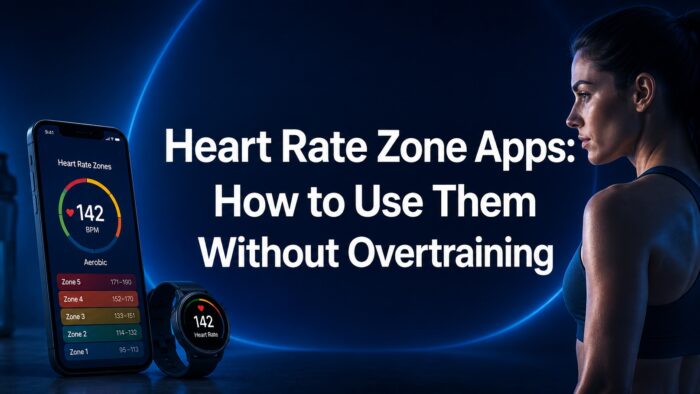
The guide to heart-rate zone apps explains how sensor data, effort and progression can be combined without allowing one metric to control the session.
Athletes and general users need different detail
A competitive athlete may use readiness alongside workload and coaching. A general user may need only a reminder to notice sleep and avoid stacking hard sessions. More variables do not automatically produce a better decision.
Privacy and subscription costs are part of the score
Long-term recovery analysis can reveal sleep schedules, illness, alcohol patterns and reproductive information. Check whether the history is exportable and what remains available if a subscription ends. The smart ring buying guide covers comfort and data considerations.
Illness and hormonal changes can shift the baseline
Fever, infection, menstrual-cycle changes, pregnancy, alcohol and travel can alter the signals used by readiness models. The score may notice a change without identifying the cause. Persistent symptoms or a major unexplained shift need more than algorithmic interpretation.
Keep measurement conditions stable
Wear the device consistently, keep sensors clean and avoid comparing a night with missing data to a complete one. If the device changed position, battery mode or software, note it before drawing conclusions.
Algorithms can change after an update
A new firmware version may alter sleep detection, baselines or the score scale. Read release notes and avoid assuming that a sudden long-term improvement or decline reflects the body alone.
Watch the psychological effect
If the score creates fear of exercise, repeated checking or a belief that a day is ruined before it begins, hide the metric for a period. A recovery tool should support self-awareness, not replace it.
Follow the trend, then check the person
Recovery scores are summaries of estimates. Use them to notice repeated changes and improve questions, while keeping symptoms, training history and professional advice ahead of the dashboard.
What the score is really built on
A readiness or recovery score usually leans heavily on heart rate variability, the small beat-to-beat variation in your pulse, combined with resting heart rate, recent activity and sleep estimates. Heart rate variability is a reasonable, indirect window onto how your nervous system is balancing stress and recovery, but it is noisy and deeply individual, so absolute values mean little and only your own trend against your own baseline carries information. The familiar culprits move it more than anything mysterious: a late or heavy meal, alcohol, a hard or unfamiliar workout, illness, travel and especially poor sleep. Before reading anything dramatic into a low score, run through those everyday explanations first, since one of them is usually the answer.
Let the body, not the number, have the final say
The healthiest way to use a readiness score is as a prompt, not a verdict. manage one low morning as noise and several low mornings in a row as a nudge to check your sleep, stress and training load. Importantly, do not let the figure override how you actually feel; if the watch says recover but you feel great, or says go but you feel run down, your own sense is the more reliable signal. For training specifically, the score is one input among several, and it works best alongside sensible effort management of the kind covered in heart rate zone apps. A persistent, unexplained drop alongside feeling unwell is worth mentioning to a clinician, but it is a reason for attention, not alarm.
When the score is genuinely worth acting on
Most daily wobble in a readiness score is noise and best ignored. The signal worth acting on is a clear, sustained shift, several days trending well below your own baseline, especially when it lines up with how you feel. That pattern is a reasonable cue to prioritize sleep, ease back on hard training, hydrate and check your stress, all of which help regardless of what caused the dip. By contrast, a single red morning after a late night or a hard session needs no special response beyond the obvious. Used this way, the score becomes an occasional, helpful nudge rather than a daily verdict you feel you must obey.