Key Takeaways: Nutrition Apps Using AI: Benefits, Limits and Better Habits
- Many people want nutrition guidance but cannot afford regular dietitian appointments.
- AI food recognition remains an estimate because lighting, portion size, hidden ingredients and cooking methods change the numbers.
- Instead of tracking every nutrient, choose one practical question.
Table of Contents
- Convenience is the strongest feature
- Food recognition still depends on the input
- Choose one question for the month
- The database matters as much as the camera
- Use the app to spot patterns, not judge meals
- A less obsessive way to log food
- Recommendations that deserve caution
- Diet records can reveal health and lifestyle details
- Let the app reduce work, not increase anxiety
- The database is often the weakest link
- A simple test before spending money
- What the model does not know
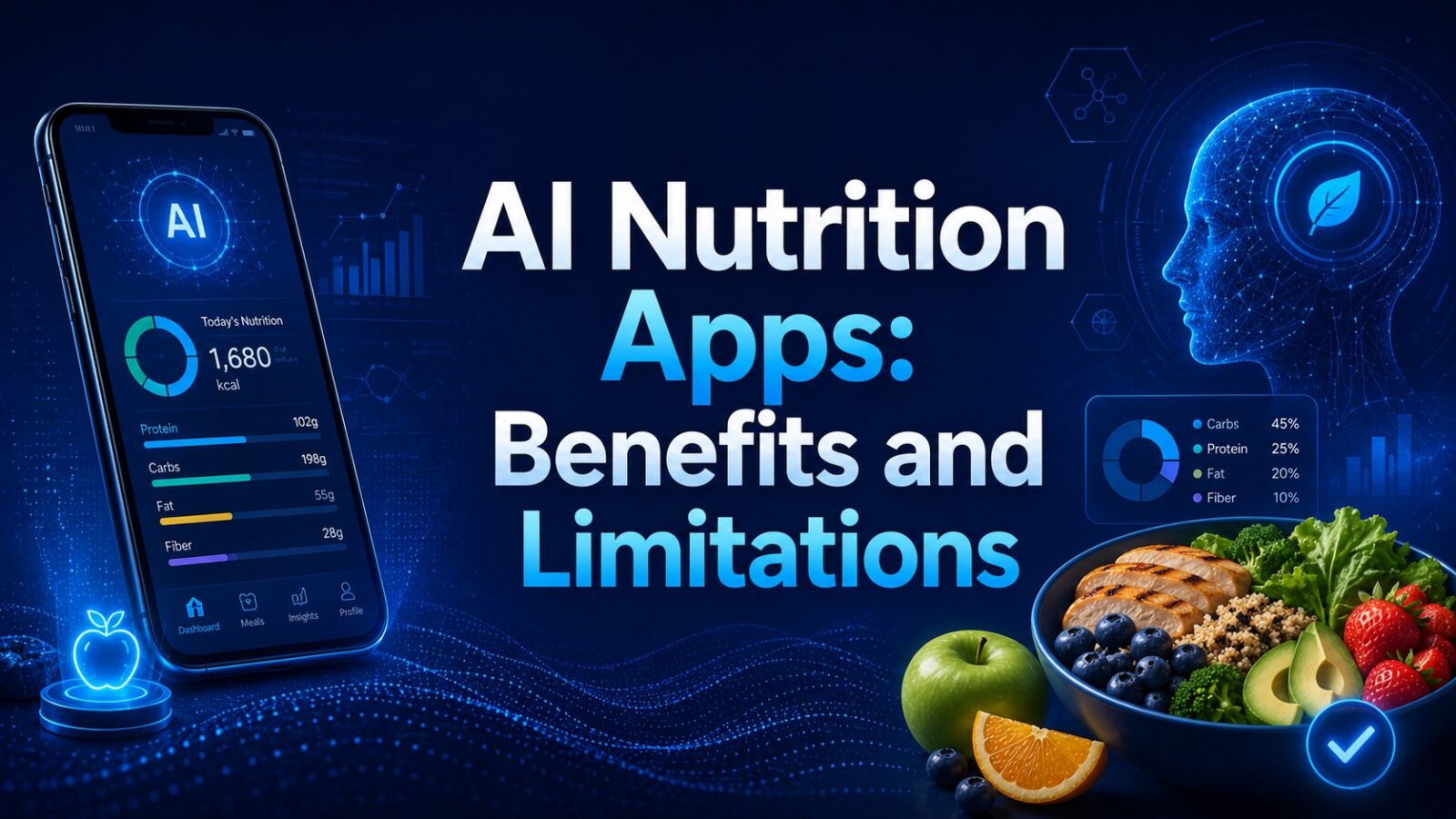
AI nutrition apps are improving quickly, especially at meal logging and pattern recognition. They can estimate calories from photos, suggest swaps, summarize habits and help users plan meals. The weak point is not convenience. It is accuracy and context. Food is cultural, emotional, medical and practical. A good app needs to respect all of that.
Nutrition apps can reduce the effort of planning meals or keeping a food record, but their calculations depend on databases, portion estimates and assumptions about the user. The best tools support a practical goal without turning every meal into a score or presenting an automated suggestion as personalized clinical nutrition advice.
Convenience is the strongest feature
Many people want nutrition guidance but cannot afford regular dietitian appointments. Apps can help with awareness and consistency. They can also push overly restrictive advice, misread portion sizes or ignore medical needs such as diabetes, kidney disease, pregnancy, eating disorder history or medication interactions.
Food recognition still depends on the input
AI food recognition remains an estimate because lighting, portion size, hidden ingredients and cooking methods change the numbers. Personalized advice is only as good as the input data and the evidence behind the recommendation. Apps are best used for education and habit tracking, not as a replacement for medical nutrition therapy.
Choose one question for the month
Instead of tracking every nutrient, choose one practical question. You might look at fiber across weekdays, protein at breakfast or how often planned meals prevent late takeaway orders. A narrow question reduces logging fatigue and makes the result easier to act on.
Photo estimates struggle with sauces, mixed dishes, portion depth and cooking oil. A useful app allows quick correction and explains that the number is approximate. It should not turn uncertainty into a precise calorie figure that appears medically authoritative.
- Prefer databases with transparent food sources.
- Avoid targets that encourage extreme restriction.
- Use a dietitian or clinician for medical nutrition needs.
- Delete old meal photos if they no longer serve a purpose.
The database matters as much as the camera
A meal app relies on food records that can vary in quality. Branded products change, restaurant portions differ and user-submitted entries may be incomplete. A transparent source such as an established nutrient database is easier to evaluate than a number with no origin.
Manual correction should be quick. If the app makes it difficult to change a mistaken serving or ingredient, the convenience of photo logging becomes misleading precision.
Use the app to spot patterns, not judge meals
- Choose apps that show uncertainty instead of pretending every meal scan is exact.
- Look for nutrient quality, fiber, protein and meal timing, not just calories.
- Avoid plans that eliminate entire food groups without a medical reason.
- Check whether the app supports your cuisine and common foods.
- Review how food logs and health goals are shared.
A less obsessive way to log food
The best use of an AI nutrition app is pattern discovery: low protein at breakfast, not enough fiber, late-night snacking after poor sleep, or frequent sugary drinks. Once the pattern is visible, the solution is usually simple and human: plan easier meals, shop differently and adjust habits slowly.
Recommendations that deserve caution
- Believing photo calories are exact.
- Following aggressive weight-loss targets.
- Using AI advice for medical conditions without a clinician or dietitian.
- Letting streaks create guilt around food.
- Ignoring hunger, satisfaction and social life.
Diet records can reveal health and lifestyle details
For AI nutrition apps, check whether food photo logging or nutrient database is used for advertising, research or product training. Review retention, deletion and connected-account settings before building a long-term record.
Let the app reduce work, not increase anxiety
Nutrition apps work best as pattern finders and planning aids. They become less helpful when uncertain estimates are treated as exact instructions or when logging replaces attention to hunger, culture and everyday practicality.
The database is often the weakest link
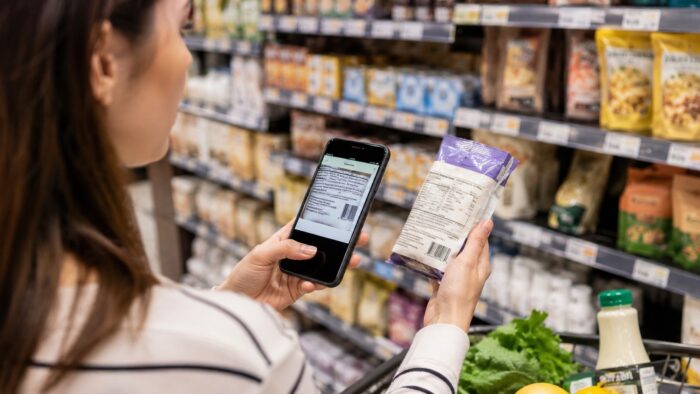
Food photographs and barcode scans are convenient, but portion size, recipe ingredients and branded products change. An app may return a precise-looking total from an uncertain match. Users should correct obvious errors and avoid making management decisions from an automated estimate.
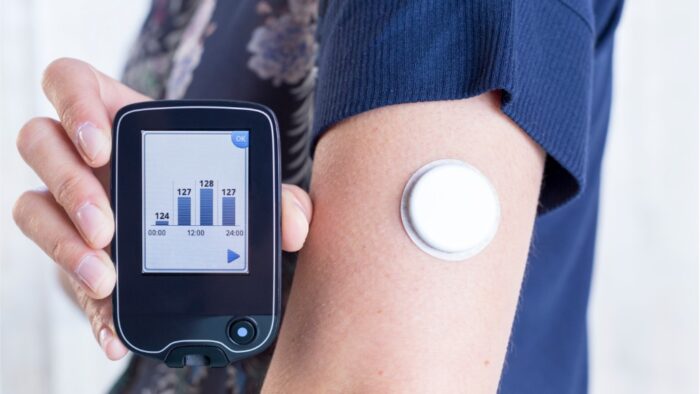
For people with allergies, eating disorders, kidney disease, diabetes, pregnancy-related needs or another clinical nutrition concern, a general app may not provide the safeguards or individual context required.
A simple test before spending money
Spend a week noticing how you currently handle food photo logging and nutrient database. Write down the point at which information is missing or a habit breaks down. That gap, rather than advertising, should define the feature you need.
After purchase, review whether meal pattern or portion estimate led to a clearer action. If the device only creates more checking, notifications or subscription pressure, simplify the setup or stop using the feature.
What a nutrition model does not know
An AI nutrition app is doing two jobs that fail in different ways. The first is identification: working out what is on the plate from a photo or a description. The second is quantification: attaching portion sizes and nutrient values to it. The second is where most of the error lives, because a photograph carries almost no information about weight, and a generated estimate of a portion is a guess presented with a decimal point.
For the underlying targets, the reference is not the app. The Dietary Guidelines for Americans are maintained and updated by the US government for the public and for professionals, and they are the thing an app should be implementing rather than replacing. If the app’s recommendation and the guidelines disagree, the app is not the authority.
Two limits matter more than accuracy. Allergens are a safety issue rather than a tracking issue: an image model misreading an ingredient is a different class of error from misjudging calories, and the FDA’s food allergy material covers why labelling exists and what the major allergens are. Never let a photo-recognition app stand in for reading a label. And a general-purpose model has no access to your medical history, medications or lab results, which is exactly what matters if you are managing a condition through diet.
There is also a behavioural caveat worth stating. Detailed food logging suits some people and makes others worse, particularly anyone with a history of disordered eating, and an app that gamifies restriction is not a neutral tool. If tracking is becoming compulsive, that is a reason to stop tracking.