Key Takeaways: Smart Rings for Health Tracking in 2026: A Practical Buying Guide
- Rings have become popular because many health insights depend on sleep and recovery.
- Strength training, climbing, manual work and swelling can make a ring uncomfortable or unsafe.
- Finger size changes with heat, exercise, travel and sleep.
Table of Contents
- Why rings appeal to people who dislike watches
- Rings are not ideal for every activity
- Wear the sample ring through an ordinary day
- Fit is part of sensor accuracy
- A sizing kit can prevent an expensive mistake
- Scores are summaries, not measurements
- Temperature and cycle data require careful privacy choices
- Comfort and context beat extra scores
- Finger fit changes more than comfort
- The questions to settle before relying on it
- Which ring metrics hold up
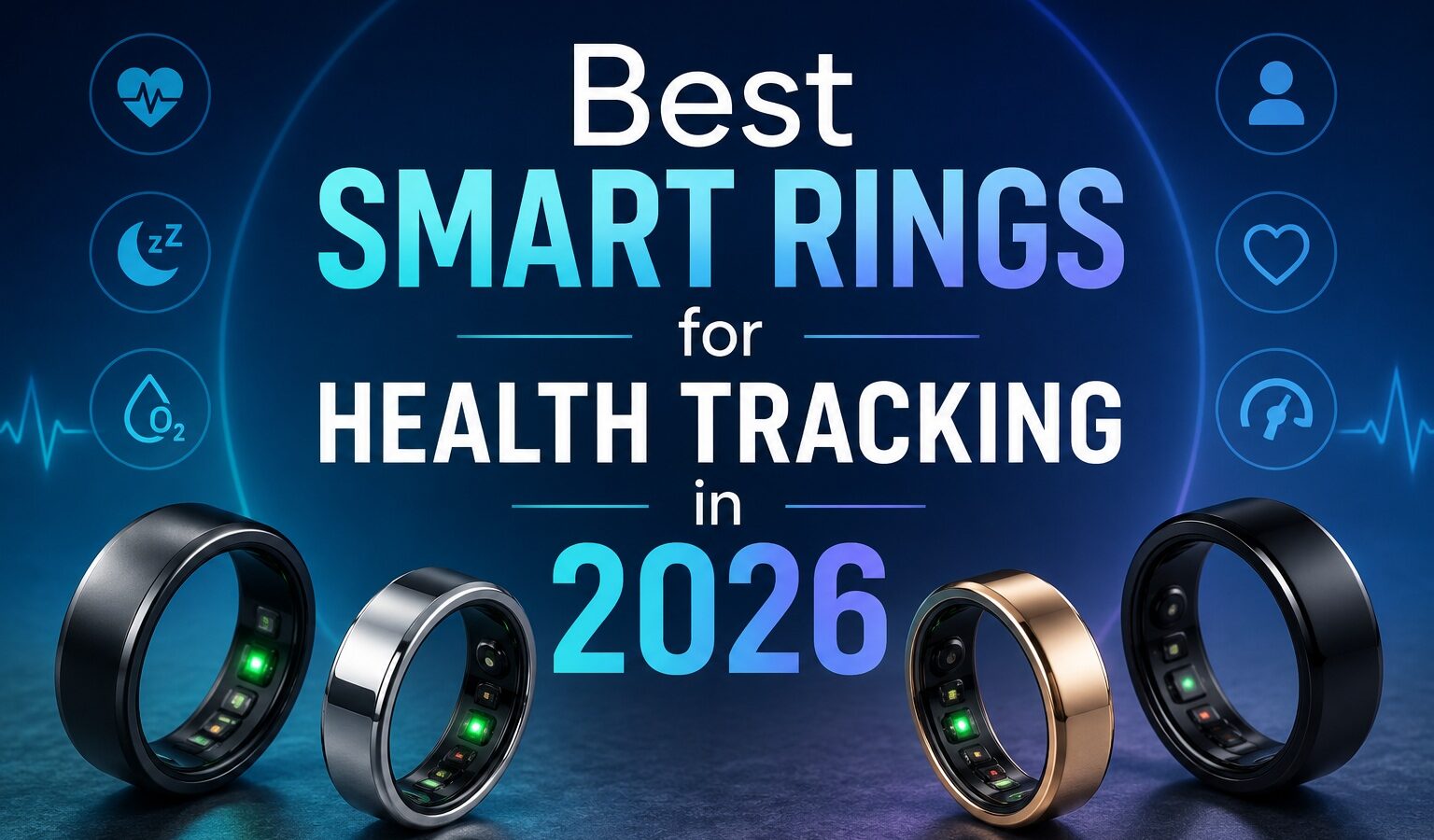
Smart rings appeal to people who want health tracking without wearing a screen. They are small, comfortable for many sleepers and strong at overnight measurements because finger-based optical sensors often get a stable signal. They are not perfect mini smartwatches. Most lack a display, GPS, rich workout controls and the broader app ecosystem of a watch.
Read the health claims carefully. This overview of smart rings health tracking 2026 does not identify patterns in a condition, and it should not be used to start, stop or change medication or management.
Interest in smart rings health tracking 2026 is growing because people want more control over sleep tracking ring and heart rate variability. Useful control comes from reliable information, realistic expectations and a clear boundary between wellness and medical care.
Why rings appeal to people who dislike watches
Rings have become popular because many health insights depend on sleep and recovery. A device that is easy to wear overnight can collect heart rate, temperature trends, respiratory rate and movement more consistently than a watch that needs charging. The trade-off is that rings can be expensive, sizing must be right and workout tracking is often weaker.
Rings are not ideal for every activity
Strength training, climbing, manual work and swelling can make a ring uncomfortable or unsafe. Some users remove it during exercise, which may create gaps in the very data they care about. Consider whether a watch, chest strap or occasional measurement would fit the activity better.
Skin irritation also matters. Clean the ring and finger, allow the skin to dry and follow the manufacturer’s advice. Persistent irritation is a reason to stop wearing it rather than tighten the fit.
Wear the sample ring through an ordinary day
Finger size changes with heat, exercise, travel and sleep. Use a sizing kit for at least a full day and night rather than choosing the ring that feels comfortable for five minutes. Check whether it rotates, catches during lifting or becomes tight after a warm walk.
The companion app deserves equal attention. Look at how it explains trends, whether raw measurements are visible, how far back history goes and which features require a subscription. A beautiful ring with a confusing dashboard will not support better decisions.
- Check return rules for sizing errors.
- Confirm whether the ring can be worn during strength training or manual work.
- Compare battery life after accounting for expected ageing.
- Review integrations before assuming data will sync to another health platform.
Fit is part of sensor accuracy
Smart ring data should be read as trend information. Temperature changes may help identify cycle phases, illness signals or recovery changes, but they are not diagnoses. Sleep staging remains an estimate. Readiness scores combine several variables into one number, which can be helpful for behavior but should not overrule symptoms.
A sizing kit can prevent an expensive mistake
A smart ring is best for someone who cares most about sleep, recovery, resting heart rate and low-friction daily tracking. A sports watch is still better for running, cycling, navigation and on-device workouts. Some users combine both: a watch for training and a ring for sleep.
Scores are summaries, not measurements
- Buying a ring for gym tracking when a watch would be better.
- Ignoring swelling, climate and finger-size changes.
- Assuming recovery scores are informational context.
- Choosing the smallest ring without checking sensor contact.
- Forgetting that rings are easier to lose than watches.
Temperature and cycle data require careful privacy choices
Look beyond the password screen when using smart rings health tracking 2026. Advertising trackers, connected platforms and automatic sharing can move details about sleep tracking ring and heart rate variability beyond the service the user originally chose.
Comfort and context beat extra scores
A smart ring can be an unobtrusive way to follow sleep and recovery trends. Comfort, app quality and realistic interpretation matter more than small differences in the number of scores displayed.
Finger fit changes more than comfort
Optical sensors need consistent skin contact, yet finger size can change with heat, exercise, travel and time of day. A ring that is comfortable during sizing may rotate at night or become tight after activity. Use the manufacturer’s sizing kit for several days rather than choosing from a normal jewellery size.
People who use tools, lift weights or have hand swelling may prefer to remove the ring during some activities. Gaps in data are often safer than skin irritation or a device that catches on equipment.
The questions to settle before relying on it
Before relying on the result, settle three questions: how sleep tracking ring is measured, what can distort heart rate variability and who is responsible for interpreting an unusual finding.
Also decide what the product cannot do. A clear boundary around skin temperature trend prevents a wellness tool from quietly becoming a substitute for assessment or management.
People with circulation problems, swelling, skin conditions or implanted devices should check product guidance and seek appropriate advice before relying on a ring for health monitoring. Comfort should never be traded for a continuous data streak.
Which ring metrics hold up
Rings have a genuine sensing advantage over watches for resting measurements. The finger offers a better optical signal than the wrist and the fit is tighter, so overnight heart rate, heart rate variability and temperature trends are the strongest data any of these devices produce. That is worth knowing because it is also where the useful features cluster: sleep timing, resting trends and recovery.
The same physics works against them during exercise. Optical sensing is degraded by movement and by loss of skin contact, and a 2025 PLOS ONE validation study of wrist-based heart rate found error rose with exercise intensity and varied substantially by skin tone. Rings share that limitation and add one of their own: hand and forearm movement, and grip, shift the ring relative to the sensor. If you want accurate heart rate during hard training, a chest strap remains the answer.
On the medical-sounding features, the boundaries are clearer than the marketing. Blood oxygen is an optical estimate whose limitations the FDA has documented, including accuracy variation across skin tones that it has proposed addressing. And the FDA has explicitly warned against smartwatches and smart rings claiming to measure blood glucose, because no such device has been authorised and a wrong reading can lead to a medication error. A ring claiming to read an analyte through your skin is making a claim no regulator has accepted.
Sources and further reading
- PLOS ONE (2025): validity of heart rate measurements in wrist-based monitors across skin tones during exercise
- FDA: pulse oximeter basics and limitations
- FDA: proposed recommendations to improve pulse oximeter performance across skin tones
- FDA safety communication: do not use smartwatches or smart rings to measure blood glucose