Breathing Apps for Stress: How to Use Paced Breathing Safely
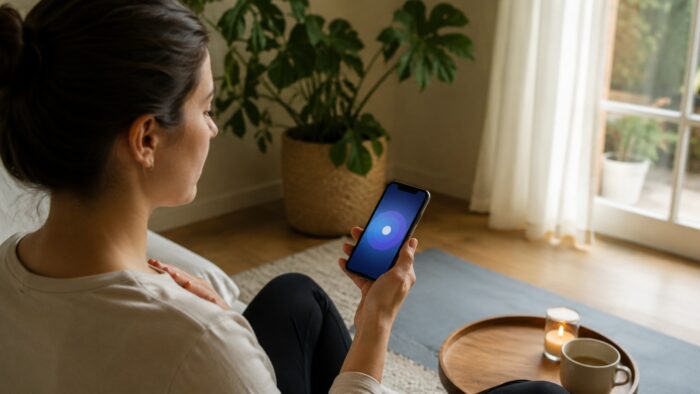
Use paced-breathing apps with realistic goals, comfortable timing and clear limits around dizziness, panic, breathing symptoms and urgent care.
Browse our latest articles on wearables, medical AI, mental wellness, nutrition technology, sleep tools, fitness apps, and telehealth.
Each guide focuses on practical costs, maintenance, safety, comfort, environmental impact, and choices that work in real homes.
Use paced-breathing apps with realistic goals, comfortable timing and clear limits around dizziness, panic, breathing symptoms and urgent care.

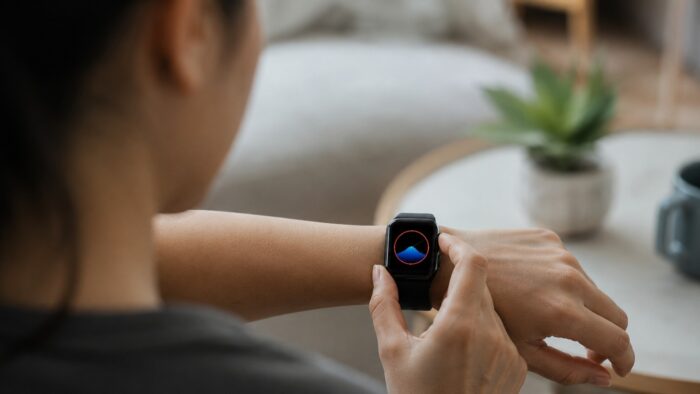
Learn how wearables combine HRV, resting heart rate, sleep and activity into recovery scores and why personal trends matter more than one number.
Understand the structure of CBT-I apps, how they differ from general sleep trackers and when insomnia or other symptoms need clinical assessment.
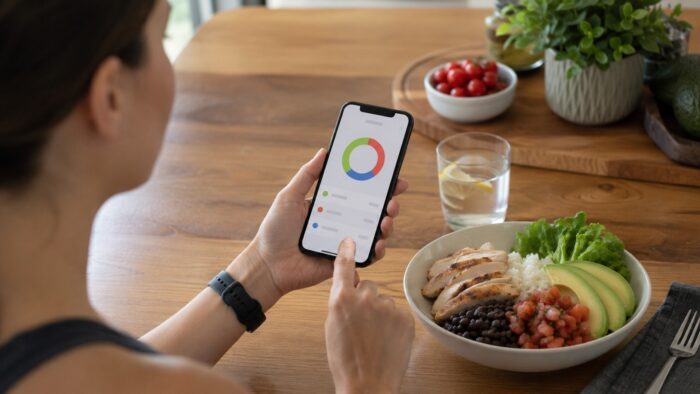
Use macro tracking for a defined goal while accounting for database errors, portion estimates, changing needs and the risk of unnecessary restriction.
Learn why allergy scanner apps can help organize label checks but cannot detect cross-contact, recipe changes or every risk in packaged and prepared food.
Compare virtual primary care by continuity, clinician licensing, tests, referrals, prescriptions, records, fees and access to in-person follow-up.
Understand how ambient clinical AI drafts visit notes, what consent and privacy questions to ask and why clinicians still need to verify the record.
Use AI symptom checkers more safely by understanding triage limits, red flags, privacy and why an automated result is not a diagnosis.
Learn how smartwatch fall detection uses motion sensors, why false alerts and missed falls happen and what to test before relying on it.
Understand how smartwatches estimate blood oxygen, what can distort a reading and why symptoms matter more than one consumer SpO2 number.