Blood Pressure Apps: What They Track and What They Cannot Do
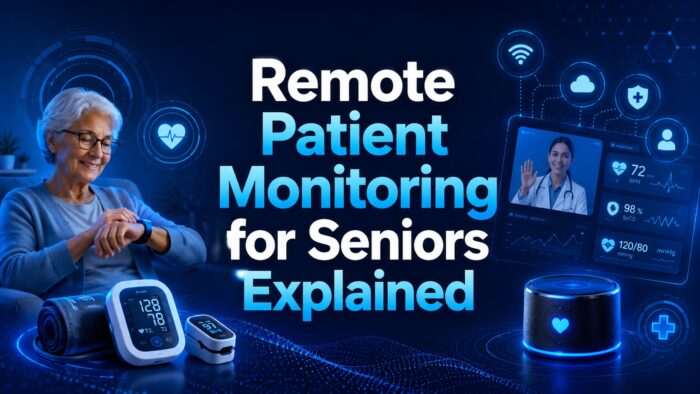
Use blood-pressure apps to organize reliable cuff readings without assuming that a phone can measure blood pressure or adjust treatment.
Adarsh Sharma covers medical AI, mental health apps and nutrition technology for HealthyTechWorld. He tends to write the pieces that turn on regulation and evidence quality: what a tool has actually been cleared to do, who is accountable when software gets a call wrong, and how much of a claim rests on peer-reviewed work. He is not a clinician and does not give medical advice.
Use blood-pressure apps to organize reliable cuff readings without assuming that a phone can measure blood pressure or adjust treatment.

Improve evening screen habits by looking beyond blue light to brightness, timing, content, work patterns and the wider sleep routine.
Explore how AI may support earlier heart-disease detection while keeping screening errors, clinical confirmation and population differences in view.
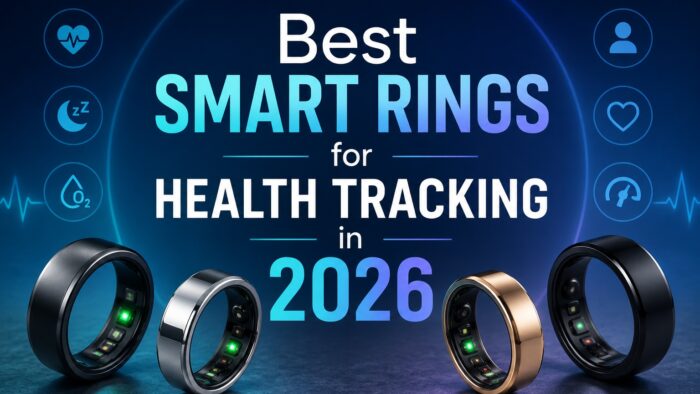
Choose a smart ring by fit, battery life, app quality, privacy and realistic use of sleep, temperature and recovery trends.
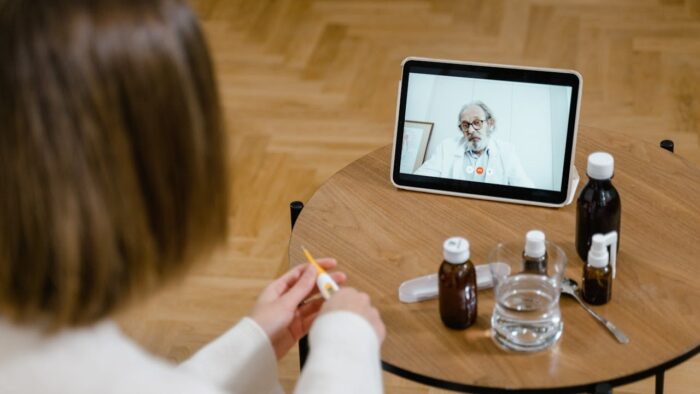
Compare telemedicine platforms by clinician licensing, follow-up, prescriptions, record sharing, privacy and the situations that still need in-person care.
Compare meditation apps by method, evidence, privacy, habit design and suitability instead of relying on streaks or broad wellness claims.
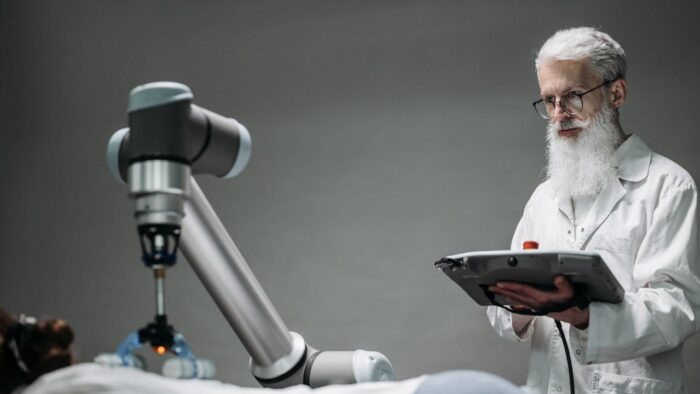
See where diagnostic AI is used today, how it supports clinicians and why intended use, workflow, bias and human oversight still matter.
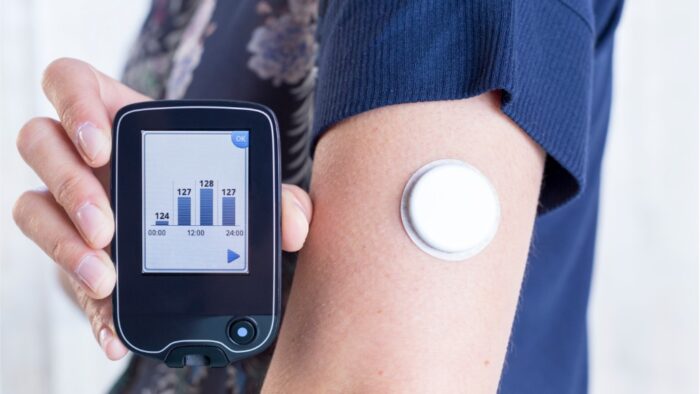
Understand what a continuous glucose monitor may reveal without diabetes, what can distort a pattern and how to avoid turning one sensor trace into a diagnosis.
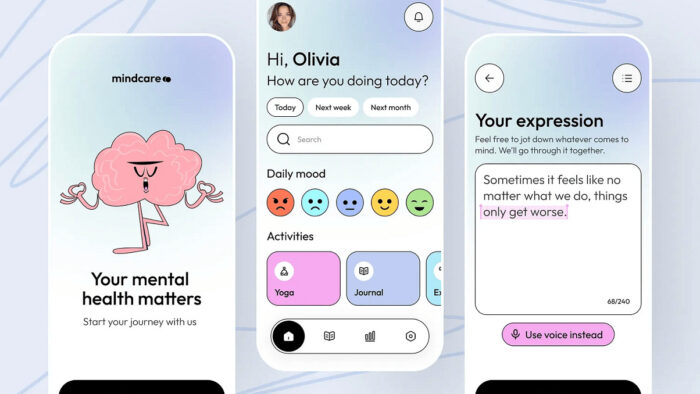
Review AI mental health apps by evidence, crisis limits, privacy, human support and the difference between a reflective tool and qualified care.