The budget smartwatch market has matured in an interesting way: rather than stripping sensors out, manufacturers now keep the sensor list long and economise on screen quality, build materials, software refinement and accuracy. That makes the spec sheet look generous and the buying decision harder, because the features that matter are present but perform differently. Here is how to read the segment.
Health Features That Genuinely Survive Low Prices
- Continuous heart rate. Reliable for resting trends and steady exercise on most reputable budget watches.
- Sleep duration and basic staging. Duration is dependable; staging is approximate everywhere, so the cheap watch is not much worse than the expensive one.
- SpO2 spot checks. Present almost universally now. Treat consumer SpO2 as a wellness indicator with meaningful error, not a clinical reading, at any price.
- Stress and breathing exercises, usually derived from heart rate variability. Useful as prompts, loose as measurements.
- Step counting and activity minutes, solid across the board.
- Menstrual cycle logging, which is mostly a calendar feature and works as well cheaply as expensively.
What You Actually Sacrifice
- Sensor accuracy under stress. During intervals, weights and cold weather, cheaper optical sensors lag and drop. Steady cardio is fine.
- GPS quality. Where built-in GPS exists at this price, expect slower lock and wobbly tracks under trees and buildings compared with multi-band receivers.
- Screen and build. Dimmer displays in sunlight, plastic bodies, less durable glass.
- Software. The most consistent weakness: clunkier apps, slower syncs, shorter update support, occasional translation oddities.
- Analytics depth. You get raw-ish numbers rather than training load, readiness modelling or recovery guidance worth acting on.
Claims to Distrust at Any Price
Non-invasive blood glucose monitoring is not available in consumer smartwatches; any watch advertising it is measuring something else and inferring badly. Blood pressure on a watch requires calibration against a cuff and regulatory clearance even where it exists; cheap implementations are unreliable. ECG requires both hardware electrodes and regional clearance, so a cheap watch listing ECG may have a feature that does nothing useful where you live. Body temperature from the wrist reflects skin, not core, temperature and is useful only as a trend.
How to Choose Well
Buy from established budget lines with ongoing app support rather than anonymous marketplace brands. Check the water rating, the realistic battery figure with heart rate and always-on display enabled, and whether the app exports data to the platforms you use. Read recent reviews specifically for app reliability and sync problems, because that is where the price shows. And prefer a simpler watch that does five things well to a cluttered one claiming fifteen.
Who Should Buy Budget
Anyone whose goal is daily movement, sleep consistency, resting heart rate awareness and phone notifications is well served at the low end. Spend more if you train by heart rate zones, need accurate outdoor GPS, want recovery analytics you will act on, or need a device that survives several years of hard use.
The Bottom Line
Budget smartwatches now keep the health sensors and economise on precision, screen and software. That is a sensible trade for habit tracking and a poor one for serious training. Verify battery and water ratings honestly, ignore glucose and blood-pressure claims, and remember that every health feature on every consumer watch is a wellness tool rather than a medical device.
Three months with a budget watch: where it surprised me
The pleasant surprise of the budget segment is how much of the daily experience is identical to a flagship. Notifications, alarms, timers, step tracking and sleep duration all work the same. The display is the first visible difference: cheaper panels dim badly in direct sunlight, which matters more in India than in the markets these watches are reviewed in. The second difference shows up in software support. My budget watch received two app updates in a year; the companion app still works, but the roadmap is clearly finished, whereas the big brands patch for four or five years.
What I would actually pay more for, having lived with both: a reliable heart rate sensor during exercise, an always-on display option, and water resistance good enough for swimming. What I would not pay more for: voice assistants on the wrist, a second strap in the box, or most “100+ sport modes”, which are mostly the same accelerometer maths with different labels. If the watch is primarily a notification mirror and step counter, the budget option is the rational buy. If you train seriously, the sensor gap is real; our calorie accuracy testing shows how wide it gets, and our budget fitness tracker guide covers the band-style alternative that often beats a cheap watch at the same price.
Related guides
- Android Smartwatches in 2026: Honest Buying Guide
- Fall Detection on Smartwatches: How It Works and How to Set It Up
- Running Watches vs All-Round Smartwatches
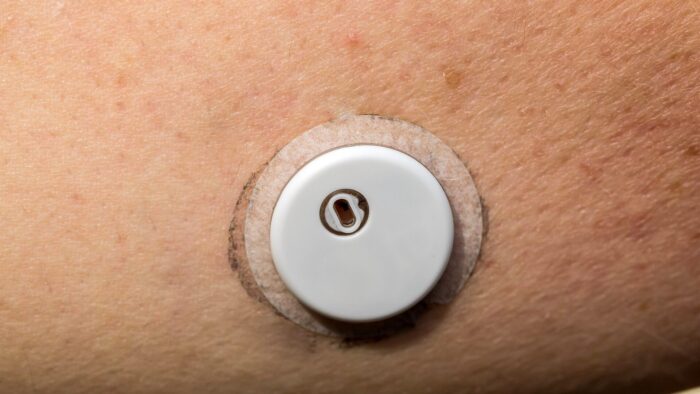
Featured image: Photo: Silbof (CC BY-SA 4.0), via Wikimedia Commons